
Zeacool Fitness Tracker
4.5Editor score
24/7 Heart Rate Monitor
123 Sport Modes
IP68 Waterproof Design
This guide compares the top ten distance trackers for running to help you find the perfect device for tracking pace, route, and performance metrics accurately.
Finding the right distance tracker for running can transform your training experience. Whether you are a beginner or an elite athlete, accurate GPS and reliable metrics are essential for progress.
We have carefully evaluated ten top models based on accuracy, battery life, comfort, and advanced features. Each device offers unique strengths to match different running styles and budgets effectively.
Every pick highlights key features and real-world performance insights. Please note that availability and costs may change, so verify details before making your final purchase decision today.
4.5Editor score

4.6Editor score

4.8Editor score
This side-by-side comparison highlights the core specifications of each leading distance tracker to simplify your selection process for the next running companion device.


The Garmin Forerunner 165 stands out as a top choice for runners seeking a balance of features and simplicity. With a 4.6 rating, users praise its clarity and reliability during daily training sessions.
We may earn a commission when you buy through this link, at no additional cost to you.
Its built-in GPS provides accurate distance and pace metrics without needing your phone. The AMOLED touchscreen delivers vivid visuals even in bright sunlight, while personalized workouts adapt to your recovery status.
While it lacks onboard music storage, this trade-off helps extend battery life significantly. The smart notifications ensure you stay connected without breaking your running rhythm or focus.
This watch is ideal for runners who want a straightforward device with advanced training tools. It offers a premium experience at a competitive price point for serious athletes.
Personalized workouts adapt based on performance to ensure optimal training loads and recovery balance.
Up to 11 days in smartwatch mode means fewer charges and more consistent tracking over time.
We may earn a commission when you buy through this link, at no additional cost to you.
This built-in GPS watch offers impressive value for runners on a budget. It captures real-time pace and distance accurately while featuring a large AMOLED screen for easy readability.
We may earn a commission when you buy through this link, at no additional cost to you.
Beyond running, it tracks over 170 sports modes and includes essential health monitoring. The speaker allows for hands-free calls, which is a rare feature at this price level.
Some users note GPS signal lock can be slower in dense urban areas. However, once locked, the data remains reliable for standard outdoor track or road running sessions.
For casual runners or those seeking a versatile tracker without breaking the bank, this model delivers essential performance with modern style and practical daily functions.
50m waterproof rating supports pool laps and open water swimming with stroke count tracking.
Bluetooth pairing enables call and text notifications directly on the wrist for convenience.
We may earn a commission when you buy through this link, at no additional cost to you.
The Garmin Forerunner 70 is tailored for those starting their running journey. It provides clear GPS metrics and simple navigation through the intuitive AMOLED interface.
We may earn a commission when you buy through this link, at no additional cost to you.
Training plans guide beginners from run-walk routines to higher intensity workouts. The morning report offers an overview of recovery and readiness to prevent burnout.
While it lacks map navigation found in higher-end models, it focuses on core metrics. The lightweight design ensures comfort during long training sessions without wrist fatigue.
New runners will appreciate the guidance and structure provided by this device. It simplifies complex data into actionable insights to foster consistent progress.
Garmin Coach adapts to your performance to build confidence and endurance gradually.
Sleep scores and HRV status help optimize rest days for better performance.
We may earn a commission when you buy through this link, at no additional cost to you.
The Zeacool Fitness Tracker delivers a compelling mix of features at a budget-friendly price. It shines in daily activity tracking and health monitoring capabilities.
We may earn a commission when you buy through this link, at no additional cost to you.
With over 120 sport modes, it captures detailed data for various exercises. The AMOLED screen offers sharp visuals, and the battery lasts weeks between charges.
It lacks standalone GPS, requiring a phone connection for distance tracking. However, for those prioritizing heart rate and calorie metrics, this model fits well.
Ideal for casual users wanting to monitor general fitness. It provides essential stats without the cost of high-end smartwatches.
24/7 heart rate and blood oxygen sensors keep you informed about your physical state.
IP68 rating allows safe usage during rain, washing hands, or light swimming.
We may earn a commission when you buy through this link, at no additional cost to you.
The Garmin Forerunner 965 is the ultimate choice for serious athletes. Its AMOLED display and titanium bezel offer a premium look that matches its advanced tech.
We may earn a commission when you buy through this link, at no additional cost to you.
Multi-band GPS ensures accurate tracking even in difficult environments like cities or forests. Full-color maps help you navigate routes without your phone.
Battery life supports ultra-distance training with up to 31 hours of GPS usage. Training readiness scores help optimize performance by monitoring your recovery status.
If you want top-tier metrics and navigation, this watch is unmatched. It justifies its cost for those committed to elite performance.
Full-color built-in maps guide you effortlessly through new routes without distractions.
Running power and cadence data provide deeper insights into your form and output.
We may earn a commission when you buy through this link, at no additional cost to you.
The Garmin Forerunner 570 offers a balance of features for diverse fitness needs. It boasts the brightest AMOLED display for excellent readability in any light.
We may earn a commission when you buy through this link, at no additional cost to you.
Built-in speaker and mic allow you to manage calls without pulling out your phone. Morning and evening reports give actionable insights on your health and recovery.
It focuses on core training metrics rather than complex navigation. Safety features like incident detection provide peace of mind during solo runs.
Athletes seeking a robust companion for all activities will love this model. It combines style, utility, and data tracking seamlessly.
Morning and evening reports summarize readiness and sleep needs effectively.
Voice assistant integration helps manage messages while you stay active.
We may earn a commission when you buy through this link, at no additional cost to you.
The Polar Pacer Pro is designed specifically for runners who prioritize comfort and performance. Its ultra-light 41g build disappears on the wrist during intense efforts.
We may earn a commission when you buy through this link, at no additional cost to you.
Battery life reaches up to 35 hours in training mode, making it suitable for long-distance events. The high-speed processor ensures accurate data tracking without lag.
While it lacks advanced smart notifications, its focus on training programs is strong. Precision Prime heart rate monitoring provides reliable metrics for intensity management.
Runners seeking a distraction-free, lightweight GPS watch should consider this option. It delivers precise performance data without unnecessary bulk.
Weighing only 41g, it feels like nothing during long runs or races.
Specialized tools guide training load management to prevent overtraining.
We may earn a commission when you buy through this link, at no additional cost to you.
The Nike+ SportWatch GPS offers a classic approach to running tracking. Its TomTom integration ensures reliable speed and distance metrics indoors and outdoors.
We may earn a commission when you buy through this link, at no additional cost to you.
Users appreciate the simple layout and water-resistant design. However, the battery life is limited to eight hours of active GPS use.
It lacks modern smart features like touchscreens or mobile apps. This simplicity can be a benefit for those who want a dedicated tool.
Ideal for purists who want a dedicated GPS watch without distractions. It remains a reliable choice for basic tracking needs.
Focuses purely on pace and distance without complex app ecosystems.
Designed to withstand rain and sweat during outdoor training sessions.
We may earn a commission when you buy through this link, at no additional cost to you.
The Garmin vivoactive 5 bridges the gap between fitness and daily life. Its bright AMOLED display makes data easy to read during all activities.
We may earn a commission when you buy through this link, at no additional cost to you.
Body Battery monitoring helps you understand energy levels based on sleep and stress. Music storage allows phone-free listening during runs with wireless headphones.
While it lacks full maps, it covers most daily sports. The inclusion of wheelchair mode highlights its commitment to inclusive health tracking.
For holistic health monitoring alongside running, this watch excels. It provides essential training tools without overwhelming complexity.
Tracks stress and activity to show when you need rest or exertion.
Personalized insights help improve sleep quality for better recovery.
We may earn a commission when you buy through this link, at no additional cost to you.
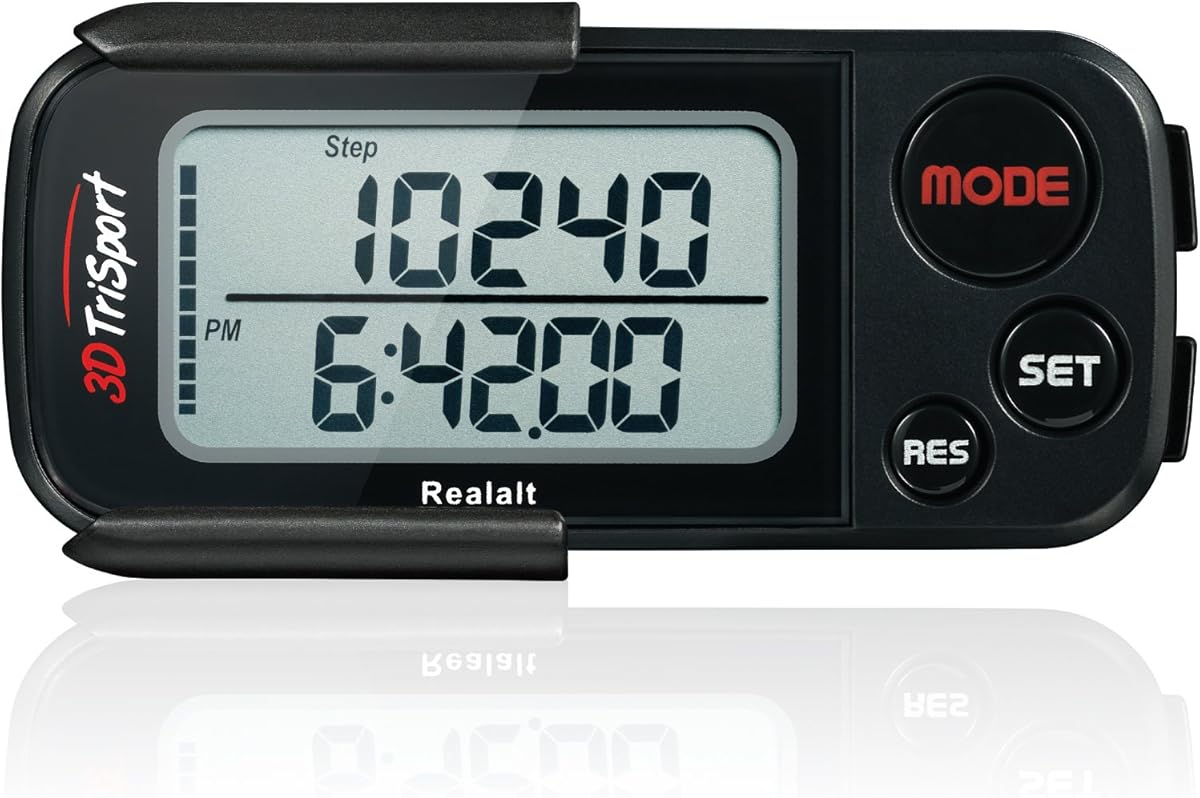
The 3DTriSport Pedometer offers a no-fuss way to track basic activity. It uses 3D Tri-Axis technology to ensure steps are recorded accurately in any position.
We may earn a commission when you buy through this link, at no additional cost to you.
There are no Bluetooth connections or apps needed. The battery lasts up to 12 months, making it a hassle-free option for daily tracking.
It does not offer GPS for distance mapping. However, for counting steps and calories, it remains a reliable and simple tool.
Best for seniors or beginners who want simplicity. It keeps you motivated without the need for charging or technical setup.
No apps or connections required, just clip and start tracking.
Year-long battery life ensures consistent tracking without interruptions.
We may earn a commission when you buy through this link, at no additional cost to you.
Choosing the right distance tracker requires considering several key factors to match your training style and budget effectively.
Look for devices with built-in GPS to track distance and pace without relying on a smartphone. Multi-band GPS systems offer superior precision in urban canyons or dense forests.
Prioritize GPS accuracy if you need precise metrics for racing or route planning.
Battery life varies significantly between models. Consider how long you typically run and whether you prefer frequent charging or longer intervals.
Ensure the battery lasts through your longest training sessions without needing a mid-run recharge.
AMOLED screens offer vivid colors and better visibility in sunlight compared to standard LCDs. However, they may drain battery faster than simpler displays.
Choose a display that balances readability with power efficiency for your needs.
Advanced runners benefit from features like training readiness, HRV monitoring, and adaptive plans. These tools help optimize performance and prevent burnout.
Check if the device supports structured workouts to align with your training goals.
A lightweight device with adjustable bands ensures comfort during long runs. The size of the watch should match your wrist for a secure fit.
Test the fit if possible to ensure it does not hinder your movement or cause irritation.
Look for water-resistant models if you plan to run in rain or swim. Ratings like 5 ATM ensure the device can withstand moisture and sweat.
Choose a durable casing that can handle daily wear and tear during outdoor activities.
Bluetooth connectivity allows syncing data to your smartphone for detailed analysis. Some models offer Wi-Fi or cell data for standalone connectivity.
Ensure the device syncs easily with your preferred apps for seamless data tracking.
Evaluate what features are truly necessary versus optional. Budget models often lack maps but provide core tracking at a lower cost.
Balance your budget with the features you will use regularly to get the best value.
Start by setting up your device through the companion app. Sync your profile to ensure accurate calculations for distance and calories based on your weight and height.
For outdoor runs, allow the GPS to acquire a signal before you start. This prevents drift and ensures your recorded route matches your actual path.
Clean the tracker regularly with a soft, damp cloth to remove sweat and dirt. Avoid exposing it to extreme heat or chemicals to prolong battery and sensor life.
Not all models feature built-in GPS; some require connection to a smartphone for tracking. Check specifications to ensure the device includes onboard GPS if you want to leave your phone at home during runs.
To improve accuracy, ensure the device is fully charged before running. Start in an open area to allow for a strong signal lock and avoid tall buildings that may interfere with satellite reception.
Many trackers are waterproof or water-resistant to varying degrees. Look for ratings like 5 ATM or IP68 to confirm they can handle pool laps or open water swimming.
Battery life varies from a few hours to several days depending on usage. GPS mode drains battery faster than smartwatch mode, so expect shorter runtime during active tracking.
Most trackers function without a subscription, providing free access to basic data. Premium tiers may offer additional insights, but core features are typically included with the hardware.
Charge frequency depends on usage intensity. High GPS usage requires more frequent charging, while basic activity tracking can go weeks on a single charge.
Simpler models without complex smart features are ideal for seniors. Ensure the display is easy to read and the setup process is straightforward for hassle-free operation.
Many trackers support syncing to popular fitness platforms. Check the device description to confirm compatibility with your preferred apps for comprehensive data analysis.
We have reviewed ten top trackers ranging from simple pedometers to advanced smartwatches. Each model offers unique strengths tailored to specific training needs and budgets.
Prioritize features like GPS accuracy and battery life to match your training intensity. Choose a device that provides the metrics you need without unnecessary complexity.
Always verify current availability and compatibility before purchasing. A great tracker enhances your experience by providing reliable data for every stride.