
HP 14 Laptop Computer
4.6Editor score
Quad-Core Intel N150 Processor
14 inch Anti-glare Display
Windows 11 Pro Included
This guide compares the top 10 laptop for writers in 2026, evaluating performance, display quality, and battery life to help you choose the best device for
Finding the right laptop for writers requires balancing performance, portability, and comfort. Whether you draft novels or manage reports, a reliable machine ensures productivity. This guide reviews the top models available in 2026 to support your creative journey.
We evaluated these laptops based on processor speed, screen clarity, and keyboard ergonomics. Each device offers unique strengths for different writing styles and budgets. Our analysis focuses on real-world usability for authors, journalists, and content creators.
Each pick highlights specific features like battery life and display quality. We include detailed specs and pros and cons to aid your decision. Remember that availability and configurations may change, so verify details before purchasing.
4.6Editor score

4.5Editor score

4.7Editor score
The following table provides a side-by-side comparison of all ten laptops reviewed in this guide. It highlights key specifications such as processor type, memory, storage, and display size to help you quickly identify the model that fits your writing needs and budget constraints.
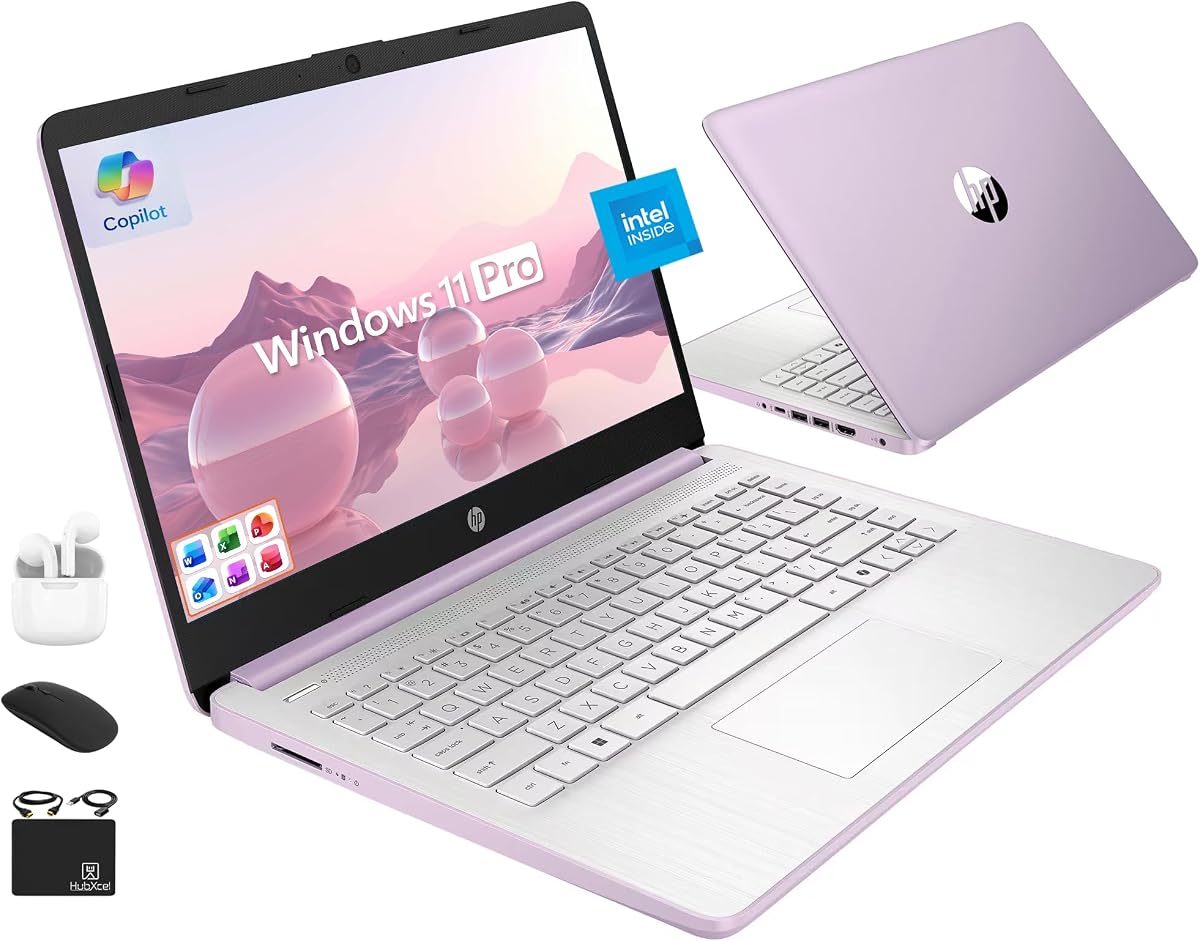


This HP 14 Laptop Computer stands out as a top budget option for writers on a tight budget. It achieves a strong 4.6 rating from users who appreciate its balance of cost and functionality. The inclusion of Windows 11 Pro and lifetime MS Office makes it ready for productivity immediately upon unboxing.
We may earn a commission when you buy through this link, at no additional cost to you.
Key strengths include the Quad-Core Intel N150 Processor which handles daily writing tasks efficiently. The 4GB DDR5 RAM ensures responsive performance for web browsing and document editing. Additionally, the 628GB storage solution allows you to keep extensive drafts and research materials without worrying about space.
However, the 4GB RAM may limit heavy multitasking or future-proofing for more demanding software. The HD display is adequate but lacks the sharpness of higher resolution screens. Despite these trade-offs, the overall value proposition remains strong for students and novice writers.
This laptop is ideal for budget-conscious writers who need reliable performance for standard text editing and research. The bundled accessories like the wireless mouse and earbuds add significant value. We recommend this model for those seeking a functional writing tool without a high price tag.
The lifetime Microsoft Office inclusion ensures you can write and edit documents professionally without subscription fees.
With built-in 128GB SSD and support for external drives, you can store large projects securely and efficiently.
We may earn a commission when you buy through this link, at no additional cost to you.
The HP Ultrabook 14 offers a compelling upgrade path for writers needing more power. It holds a 4.2 rating and distinguishes itself with 16GB RAM, which supports smooth multitasking between research tabs and writing applications. The Windows 11 Pro license adds enterprise-grade security features.
We may earn a commission when you buy through this link, at no additional cost to you.
This model excels in performance due to the high-bandwidth 16GB DDR4 RAM allowing you to run multiple programs simultaneously. The 14-inch anti-glare display reduces eye strain during long writing sessions. It is well-suited for professionals managing complex projects requiring robust memory.
While the RAM is generous, the N150 processor may not handle heavy data processing or video rendering tasks efficiently. The reliance on an external drive for full storage capacity can be inconvenient for mobile users. These factors are acceptable given the competitive price point.
Writers looking for a balance of memory and durability will find this laptop suitable. The included accessories and lifetime office license enhance its appeal. We recommend this for users who need more RAM than budget models but want to stay within an affordable range.
With 16GB RAM, you can keep dozens of browser tabs and word processors open without performance lag.
Windows 11 Pro provides hardware-based isolation and encryption to protect your manuscripts and sensitive data.
We may earn a commission when you buy through this link, at no additional cost to you.
This HP 17 inch Business Laptop earns our Editor's Choice award for its superior specs tailored to writers. It achieves a 4.5 rating thanks to the large screen and robust hardware. The 17.3-inch display provides ample space for split-screen writing and research.
We may earn a commission when you buy through this link, at no additional cost to you.
Key features include the AMD Ryzen 5 CPU and 16GB RAM which deliver smooth performance for extensive writing projects. The 512GB SSD ensures fast boot times and ample storage for files. The full-size keyboard with numeric keypad enhances productivity for data-heavy writers.
The main trade-off is portability since the large screen adds weight and bulk compared to 13 or 14-inch models. This may not suit travelers who prioritize lightness. However, for stationary or home office writing, the ergonomic benefits outweigh the size concerns.
We recommend this model for authors and researchers who need a desktop-like experience in a laptop format. The large screen and powerful specs support demanding workflows. It is an excellent choice for writers who value visual comfort and performance over ultra-portability.
The 17.3-inch FHD display allows you to view multiple documents side by side without constant scrolling.
The inclusion of a numeric keypad streamlines data entry for writers managing complex financial or technical texts.
We may earn a commission when you buy through this link, at no additional cost to you.
The Lenovo Chromebook 14 is an ideal choice for writers who primarily work online. With a 4.2 rating, it is praised for its simplicity and ease of use. The Chrome OS environment focuses on web-based tools which suits modern cloud writing workflows.
We may earn a commission when you buy through this link, at no additional cost to you.
Its key strength is the lightweight design combined with a Full HD touchscreen. This makes it easy to carry around and use in various environments. The MediaTek Kompanio 520 processor ensures smooth navigation for browser-based apps like Google Docs.
However, the limited 64GB storage and reliance on cloud connectivity can be restricting. You cannot install traditional desktop software and must rely on web apps. Offline capabilities are limited compared to Windows or macOS machines. This is acceptable for purely online writers.
This Chromebook is best for casual writers or students needing a secondary device for quick drafts. It is highly portable and secure. We recommend it for those who prefer cloud storage and do not require complex offline functionality.
Chrome OS integrates seamlessly with Google Docs and Sheets for real-time collaboration and cloud backups.
The touchscreen allows for intuitive navigation and note-taking directly on the display.
We may earn a commission when you buy through this link, at no additional cost to you.
The Apple 2026 MacBook Neo is the top premium choice for writers seeking quality and performance. It receives a 4.7 rating for its incredible battery life and beautiful Liquid Retina display. The A18 Pro chip ensures fast and smooth operation for all tasks.
We may earn a commission when you buy through this link, at no additional cost to you.
Key features include up to 16 hours of battery life which supports all-day writing sessions without charging. The high-resolution display makes text crisp and easy to read. Apple Intelligence tools help summarize notes and enhance writing efficiency.
The high price is a significant barrier for many writers. Additionally, the limited ports may require dongles for connectivity. These are trade-offs for the superior build quality and ecosystem integration. The investment pays off for those valuing longevity and aesthetics.
We recommend this laptop for professional writers and creatives who want a premium experience. The performance and battery life are unmatched. It is best for those already invested in the Apple ecosystem or those prioritizing device longevity and quality.
Up to 16 hours of battery life ensures uninterrupted writing sessions throughout the day.
Apple Intelligence features assist with summarizing notes and drafting content to save time.
We may earn a commission when you buy through this link, at no additional cost to you.
This Lenovo 2026 Laptop offers a solid mid-range option for writers needing a balance of screen size and cost. With a 4.3 rating, it appeals to those who want a larger display without premium pricing. The 15.6-inch screen provides ample workspace for documents.
We may earn a commission when you buy through this link, at no additional cost to you.
Key strengths include 8GB DDR5 RAM which ensures smooth multitasking for multiple applications. The Intel N100 processor handles standard writing tasks efficiently. Connectivity is robust with Wi-Fi 6 and multiple USB ports for peripherals.
However, the 256GB storage fills up quickly with large files and media. The processor is entry-level and may struggle with heavier workloads. These limitations are manageable for text-focused writing but less ideal for creative multimedia tasks.
This model is suitable for students and casual writers seeking a larger screen. The combination of DDR5 RAM and decent port selection adds value. We recommend it for those needing a reliable machine for school or home office tasks.
The DDR5 RAM provides faster data speeds compared to DDR4 improving overall system responsiveness.
Built-in Copilot AI features help streamline tasks and boost productivity without extra software.
We may earn a commission when you buy through this link, at no additional cost to you.
This HP Everyday Slim Laptop is tailored for students and writers needing cloud integration. It holds a 4.3 rating and offers generous OneDrive storage. The inclusion of Office 365 ensures you have access to essential writing tools immediately.
We may earn a commission when you buy through this link, at no additional cost to you.
Key features include the Copilot AI integration which assists with writing tasks. The lightweight design makes it easy to carry to classes or coffee shops. Battery life supports up to 12 hours of video playback for extended use.
The reliance on 128GB local storage means most files must be stored in the cloud. This requires stable internet access for full functionality. While acceptable for students, it may frustrate users needing offline access to large datasets.
This laptop is perfect for academic writing and digital nomad lifestyles. The cloud storage reduces local storage concerns. We recommend it for students who prioritize portability and cloud collaboration over heavy local processing power.
1TB of OneDrive storage allows you to store thousands of documents without worrying about local space.
Copilot AI helps brainstorm ideas and summarize text enhancing your writing efficiency.
We may earn a commission when you buy through this link, at no additional cost to you.
This HP Laptop 2026 Student is designed for portability and simplicity. It has a 4.3 rating and is suitable for light writing tasks. The compact 14-inch form factor fits easily into small bags for travel or commuting.
We may earn a commission when you buy through this link, at no additional cost to you.
Key strengths include the LPDDR5 memory which improves speed over older generations. Copilot AI features provide helpful tools for drafting and editing. The anti-glare display reduces eye strain during long writing sessions.
The low resolution of the screen may impact clarity for long-term reading. Limited RAM and storage mean it is not suited for heavy multitasking. These trade-offs are acceptable for basic word processing and web browsing.
This model is best for casual writers or those needing a secondary travel device. It is lightweight and easy to use. We recommend it for users who prioritize portability and basic functionality over high-end specs.
LPDDR5 RAM consumes less power than DDR4 extending battery life during mobile use.
The anti-glare coating prevents reflections making it easier to read in various lighting conditions.
We may earn a commission when you buy through this link, at no additional cost to you.
The HP OmniBook 3 17 offers a large screen experience ideal for writers. With a 4.5 rating, it is praised for its display quality and battery life. The 17.3-inch screen provides significant workspace for research and drafting.
We may earn a commission when you buy through this link, at no additional cost to you.
Key features include the AMD Ryzen 3 processor and 8GB RAM which handle multitasking well. The advanced AI noise reduction improves audio clarity for calls and meetings. Fast charging ensures you get hours of use from a short charge.
The weight and size make it less suitable for travel. It is better suited for a desk setup. The lower-end CPU may limit performance for demanding apps. These factors are acceptable for writers prioritizing screen real estate.
This laptop is great for home office writers needing a desktop replacement. The large screen and solid build quality add value. We recommend it for those who want a spacious display without compromising on basic performance.
Advanced AI noise reduction filters background noise ensuring clear communication during virtual meetings.
Fast Charge restores battery from 0 to 50% in 45 minutes minimizing downtime.
We may earn a commission when you buy through this link, at no additional cost to you.
This HP Everyday Slim Laptop achieves a perfect 5.0 rating for its simplicity and reliability. It is designed for writers who need a straightforward device for basic tasks. The thin design makes it easy to transport anywhere.
We may earn a commission when you buy through this link, at no additional cost to you.
Key strengths include the integration of Microsoft 365 for writing tools. Battery life is optimized for long usage without frequent charging. The anti-glare screen is easy on the eyes for extended reading and typing sessions.
Performance is limited to light tasks such as text editing and browsing. It is not suitable for heavy software or multitasking. These limitations are acceptable for users focused solely on writing and note-taking.
We recommend this laptop for writers seeking a no-fuss reliable writing tool. It is ideal for those who prioritize battery and portability over raw power. A perfect choice for light daily usage and travel writing.
A perfect 5.0 rating reflects high customer satisfaction with its reliability and ease of use.
Long battery life ensures uninterrupted work sessions away from power outlets.
We may earn a commission when you buy through this link, at no additional cost to you.
Selecting the ideal laptop involves weighing several factors to ensure productivity and comfort. We break down the essential features to consider for a smooth writing experience.
The processor acts as the brain of the laptop handling all calculations and tasks. For writing, a mid-range processor is sufficient for text editing and web research. Aim for at least 8GB of RAM to ensure smooth multitasking between applications.
A faster processor prevents lag during heavy workflows but is not essential for text writing. More RAM ensures your computer remains responsive as you open multiple tabs and documents.
A high-quality display reduces eye strain during long writing sessions. Look for Full HD resolution and anti-glare coatings to protect your eyes from glare. The size should balance workspace needs with portability.
Larger screens like 15 or 17 inches offer more space for side-by-side documents. However, 13 or 14 inches are often sufficient and more portable for travel.
Since writers spend hours typing a comfortable keyboard is essential. Look for key travel and a layout that supports your hand position. A backlit keyboard helps in low-light environments.
Testing the keyboard in person is ideal but online reviews can also provide insights. A comfortable keyboard prevents fatigue and maintains productivity during long drafting sessions.
Battery life determines how long you can work away from a power source. Writers on the go should aim for at least 8 to 10 hours of battery life. Long battery life ensures uninterrupted writing sessions in cafes or libraries.
Look for fast charging features to minimize downtime when you are out of power. Efficient battery management software can also extend usage time between charges.
Portability is key for writers who move frequently between locations. Lightweight laptops under 4 lbs are easier to carry in a backpack. Compact designs take up less space on crowded desks.
Consider the dimensions and weight alongside screen size. A thinner device is generally more portable but ensure it does not sacrifice build quality or performance.
The operating system affects workflow and software compatibility. Windows offers broad software support and hardware variety. macOS provides a polished experience and long battery life but at a higher cost.
Choose an OS that aligns with your preferred writing tools and ecosystem. Compatibility with your existing devices and cloud storage solutions is also important to consider.
Storage capacity determines how many files you can keep locally. A 512GB SSD is recommended for storing manuscripts and research materials. Solid State Drives offer faster boot times than traditional hard drives.
Cloud storage options can supplement local storage for large projects. Ensure your laptop supports cloud integration for seamless syncing across devices.
Connectivity options like USB ports and Wi-Fi standards matter for peripherals. Wi-Fi 6 ensures faster internet speeds and reliable connections. Multiple USB ports allow you to connect external drives or mice easily.
Check for ports that match your needs like HDMI for presentations or USB-C for modern peripherals. A good network card helps maintain stability during cloud work.
To maximize your laptop's performance ensure you install all system updates regularly. This keeps your writing software running smoothly and protects your data from vulnerabilities. Using a surge protector can also shield your device from electrical spikes.
Maintain your keyboard by keeping it clean from dust and debris. Regularly wipe the keys with a soft cloth to ensure a smooth typing experience. Avoid eating or drinking directly over the keyboard to prevent spills.
Protect your battery by avoiding extreme temperatures and not leaving it plugged in constantly. Allow the battery to discharge occasionally to maintain its health. Proper care ensures your device lasts longer and performs reliably.
A 14-inch laptop offers the best balance between portability and screen real estate. If you work primarily at a desk a 15 or 17-inch model provides more workspace. However portable writers may prefer 13-inch models for travel.
8GB of RAM is typically sufficient for text editing and web browsing. If you run multiple applications simultaneously 16GB is recommended. Budget options with 4GB may struggle with heavy multitasking.
Touchscreens can enhance navigation but are not essential for writing tasks. They allow for intuitive scrolling and note-taking directly on the screen. However traditional keyboards remain the primary tool for drafting content.
Use cloud storage services to back up your work automatically. Enable hardware encryption to keep your files secure from unauthorized access. Regularly save your progress to avoid data loss.
Windows offers the widest software support and budget options. macOS provides a premium experience with strong ecosystem integration. Choose based on your preferred tools and existing hardware.
Integrated graphics are sufficient for text writing and web research. Dedicated cards are only necessary if you work with video or heavy images. Most writing-focused laptops do not require them.
Backlighting is helpful for working in dim environments like airplanes or late nights. It ensures you can see keys clearly without eye strain. While not strictly necessary it adds to usability.
Yes most word processors work offline without internet access. Ensure your software allows local saving to access files without a network. Cloud sync usually requires an internet connection for updates.
We have reviewed ten laptops that cater to different writing needs and budgets. The HP 17 inch Business Laptop stands out as the top overall choice for its large screen and performance. The Apple MacBook Neo is perfect for premium users seeking longevity.
Prioritize factors like battery life and keyboard comfort when making your decision. A laptop that feels good to type on will improve your productivity significantly. Choose the specs that match your specific workflow needs.
Prices and availability can change so verify current details before purchasing. We hope this guide helps you find the perfect tool for your writing journey. Happy writing!