
WD 4TB Elements Portable External Hard Drive
4.6Editor score
Plug and play ready
USB 3.2 Gen 1
Compact portable design
Choosing the right hard drive for recording is essential for creators who need reliable storage for large audio and video files. Whether you are editing 4K footage or recording multi-track sessions, performance and capacity matter greatly for your workflow efficiency.
We compared ten top-rated hard drives based on speed, capacity, reliability, and value to help you find the perfect match. Our analysis covers internal and external options suitable for desktops, laptops, and professional editing suites requiring consistent data transfer rates.
Each pick below highlights key strengths and ideal use cases so you can decide quickly without second-guessing your investment. Keep in mind that prices and availability can change frequently, so checking the latest listings before buying is always wise.
4.6Editor score
4.7Editor score

4.4Editor score
As an Amazon Associate we earn from qualifying purchases.
Below you will find a side-by-side comparison of all ten hard drives to help you quickly identify which model fits your specific recording needs and budget requirements without confusion.


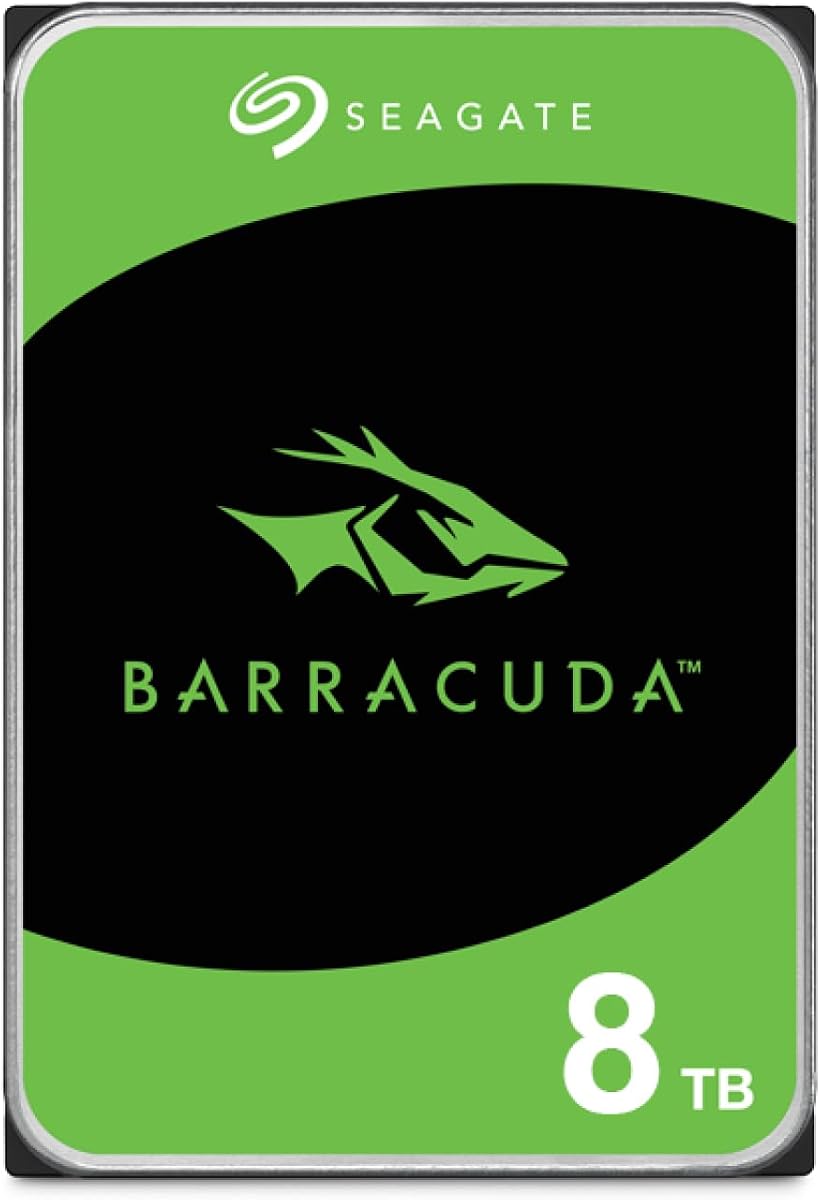
This Seagate BarraCuda drive is a top choice for recording because it balances speed and capacity perfectly. With a strong rating, it is built to handle the demands of video and music editing without dropping frames or stuttering during playback.
We may earn a commission when you buy through this link, at no additional cost to you.
Its sustained transfer rate helps you work smoothly with large media files. The SATA interface ensures broad compatibility with most desktops and workstations. You can trust this drive to store your raw footage and finished projects securely.
While it is not designed for portability, its internal form factor is ideal for dedicated editing machines. The lack of extra packaging reduces waste. Just connect it via SATA and start recording or importing your content immediately.
Creators who need a reliable internal drive for long sessions should buy this. It offers the stability required for professional workflows without the complexity of external arrays. This is a solid investment for serious content production.
The drive delivers consistent speeds needed for scrubbing through high-resolution video timelines.
Backed by years of innovation, this drive minimizes the risk of data loss during critical recording.
We may earn a commission when you buy through this link, at no additional cost to you.
If you need a budget-friendly option for recording backups, this WD Elements drive is hard to beat. It offers massive storage in a compact shell that you can take anywhere. The plug-and-play feature means you can start using it right away.
We may earn a commission when you buy through this link, at no additional cost to you.
It works seamlessly with both Windows and Mac systems for versatile file storage. The USB 3.2 Gen 1 connection provides decent speeds for transferring media files. This is perfect for archiving recordings or moving projects between locations easily.
The downside is that it lacks advanced features like encryption or shock resistance. However, for cost-conscious creators, it delivers excellent value. Just keep it safe in a padded bag when traveling to avoid physical damage.
Freelancers and students should consider this drive for their portable recording needs. It keeps costs down while providing enough space for multiple projects. It is a smart entry-level choice for storing your creative work.
Get six terabytes of space without breaking your budget for your next recording project.
Works out of the box with major operating systems for hassle-free file management.
We may earn a commission when you buy through this link, at no additional cost to you.
This G-RAID Project 2 is the ultimate drive for professionals who need vast space and blazing speed. With up to 52TB of storage, it can hold years of high-resolution footage. The Thunderbolt 3 connection ensures you spend less time waiting for transfers.
We may earn a commission when you buy through this link, at no additional cost to you.
It includes two Ultrastar hard drives inside for robust performance. You can also add SSD capacity easily via the PRO-BLADE Mag slot. This flexibility makes it ideal for editing directly off the drive without lag or buffer issues.
The high cost is a barrier for many, but the performance justifies it for large studios. Color-coded cables help prevent connection mistakes during critical shoots. It is built to handle heavy daily workloads reliably.
Studios and heavy-duty editors should buy this to future-proof their workflow. It offers the capacity and speed needed for 8K projects and beyond. If budget allows, this is the top-tier choice for serious recording work.
Store massive amounts of RAW video footage on a single compact external unit easily.
Thunderbolt 3 technology allows fast transfers that keep up with your recording needs.
We may earn a commission when you buy through this link, at no additional cost to you.
Designed for gamers and creative professionals, this WD_Black drive handles intense workloads well. It offers ten terabytes of space for all your media files. The high RPM and cache help maintain smooth performance during active editing sessions.
We may earn a commission when you buy through this link, at no additional cost to you.
Features like StableTrac and Dynamic Cache optimize reliability and speed. This means less noise and vibration in your studio environment. It is built to handle continuous writing tasks without overheating or slowing down over time.
While it is meant for desktops, that makes it perfect for fixed workstations. You do not need to carry it around. Just install it in your rig and focus on creating content without worrying about drive limitations.
System builders and editors should choose this for their main recording drive. It provides the stability and space needed for large project files. It is a robust option for those building a dedicated recording machine.
Specifically designed to meet the demands of creative professionals and high-end systems.
Advanced cache technology helps keep data flow smooth during heavy file operations.
We may earn a commission when you buy through this link, at no additional cost to you.
This Exos drive brings enterprise-level capacity to your personal recording setup. With twenty-six terabytes, you can archive everything without running out of space. It is rated for continuous operation which suits long recording or render tasks.
We may earn a commission when you buy through this link, at no additional cost to you.
The workload rating ensures it can handle data-intensive applications without issues. CMR technology provides consistent performance across various workloads. Buying renewed can save money while still getting high-quality storage for your needs.
It requires a standard desktop power supply and SATA connection. This limits mobility but maximizes stability for permanent installs. If you need raw capacity for a central server or archive, this drive is ideal.
Data centers and large studios should consider this for bulk storage. It offers the reliability needed for critical assets. Keep it in a ventilated case to maintain optimal temperatures during extended use.
Built for 24/7 operation with high durability ratings for demanding environments.
Store more footage than ever before on a single drive unit.
We may earn a commission when you buy through this link, at no additional cost to you.
This portable drive is a trusted companion for on-the-go recording needs. It fits easily in a backpack and works with both major operating systems. The plug-and-play setup means no software installation is required to start using it.
We may earn a commission when you buy through this link, at no additional cost to you.
It connects via USB 3.0 which is standard and compatible with many devices. The included cable makes it ready to use right out of the box. For added peace of mind, it comes with one year of rescue service.
While not the fastest option available, it balances speed and size well. It is perfect for backing up recordings from field trips or events. Just ensure you handle it gently to protect the internal components.
Traveling journalists and photographers should pick this for their backups. It keeps your data safe while you work in the field. This is a convenient choice for quick transfers anywhere.
Connect the drive to your computer and start copying files immediately without extra steps.
Rescue data recovery service offers added protection for your critical media files.
We may earn a commission when you buy through this link, at no additional cost to you.
The WD Blue line offers reliable everyday computing for all your recording files. With twelve terabytes, you get ample space for projects without overpaying. It is designed to handle daily tasks with consistent performance over time.
We may earn a commission when you buy through this link, at no additional cost to you.
It comes with free Acronis cloning software which helps migrate your data easily. The SATA interface ensures compatibility with most motherboards. This makes it a straightforward upgrade for any desktop setup needing more room.
While it is not optimized for RAID or heavy server loads, it works well for single-drive use. It keeps your workspace organized by reducing the need for multiple smaller drives. Just install it and enjoy the extra space.
Home studios and hobbyists should choose this for general storage. It provides a balance of cost and capacity that fits many budgets. It is a dependable choice for backing up your creative work.
Known for quality and durability, this drive offers peace of mind for long-term storage.
Included software simplifies the process of transferring old data to new storage.
We may earn a commission when you buy through this link, at no additional cost to you.
This compact drive fits into any pocket while holding four terabytes of data. It is ideal for creators who move between locations frequently. The lightweight design makes it easy to slip into a laptop bag without adding bulk.
We may earn a commission when you buy through this link, at no additional cost to you.
USB 3.2 Gen 1 speeds allow for fast file transfers on the go. You can drag and drop files instantly once connected. It supports both Windows and Mac systems seamlessly for wide usability across devices.
The simplicity is a strength here as there are no complex settings to manage. Just plug it in and store your recordings safely. It is a practical tool for keeping your project files accessible everywhere.
Digital nomads and traveling videographers should add this to their kit. It ensures you have enough space wherever you record. This is a reliable companion for mobile creative work.
A small enclosure that holds vast capacity for your photos and video files easily.
SuperSpeed USB technology ensures quick transfers when you need data fast.
We may earn a commission when you buy through this link, at no additional cost to you.
This Ultrastar drive is built for hyperscale environments and data centers. It offers twenty-four terabytes of space for big data applications. The high MTBF rating means it can run continuously without frequent failures.
We may earn a commission when you buy through this link, at no additional cost to you.
It delivers fast and predictable performance for server workloads. The large cache helps manage complex data transfers smoothly. Even though it is renewed, it maintains enterprise-class reliability standards.
Designed for 24/7 operation, this drive handles the heat of intensive use. It is perfect for NAS or server setups in larger studios. Ensure your system supports enterprise drives before installation.
Businesses needing massive storage should consider this drive. It scales well as your recording needs grow. Use it for central storage to keep all assets accessible securely.
Engineered for massive scale-out and high-density data center applications smoothly.
CMR technology ensures consistent performance across various data workloads over time.
We may earn a commission when you buy through this link, at no additional cost to you.
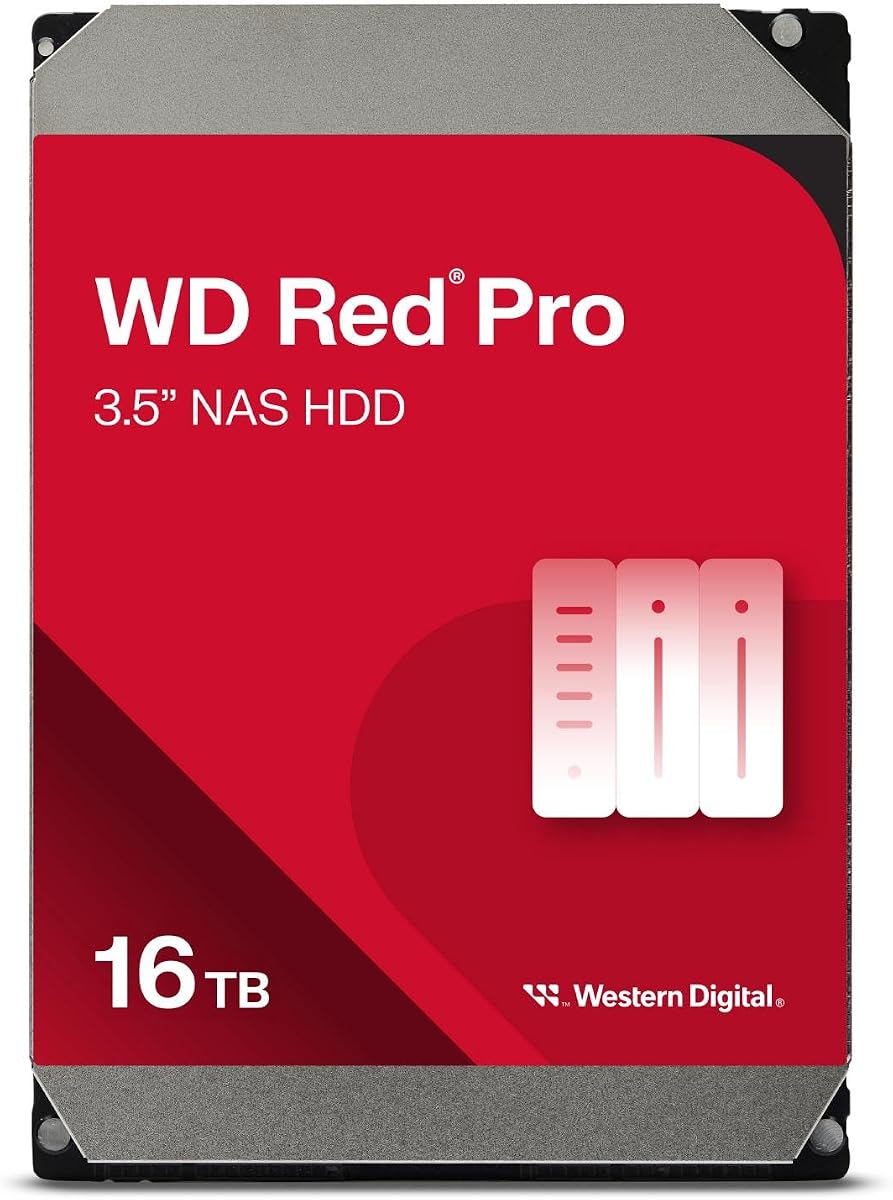
This Red Pro drive is designed specifically for NAS systems with many bays. It handles multi-user environments well which is great for shared studio projects. The workload rate supports heavy usage without compromising stability.
We may earn a commission when you buy through this link, at no additional cost to you.
CMR technology ensures reliable performance across different workloads. It is tested with many NAS vendors to guarantee compatibility. This makes setting up a central storage hub much easier for teams.
While the cost is higher than desktop drives, the durability justifies it. It keeps your data safe even with constant read and write operations. Use it to centralize access to all your recording files.
Teams and businesses should buy this for their NAS infrastructure. It provides the reliability needed for shared workflows. Keep your team productive with accessible and safe storage.
Designed to handle demands of high-intensity multi-user NAS environments reliably.
Extensive testing ensures compatibility with most NAS enclosures for peace of mind.
We may earn a commission when you buy through this link, at no additional cost to you.
Selecting the right hard drive requires understanding your specific workflow needs and storage limits. This section outlines the key factors to consider.
Recordings take up significant space, especially with high-resolution video. Choose a drive that holds all your current files plus future growth. Eight terabytes or more is ideal for long-term projects without constant management.
Always buy more capacity than you think you need to avoid running out during a session.
Fast data transfer rates reduce waiting times during editing and exporting. USB 3.2 or Thunderbolt options provide better performance than older standards. SATA 6 Gb/s remains the gold standard for internal desktop drives.
Match the interface to your computer ports to maximize speed and compatibility.
Internal drives offer better speed and cost efficiency for desktop workstations. External drives provide flexibility for backup and traveling between locations. Decide if you need a fixed archive or portable storage based on your routine.
Use internal for active projects and external for backups or travel needs.
Look for drives with high MTBF ratings and enterprise features for continuous use. Reliability prevents data loss which is critical for irreplaceable recordings. Brands like Seagate and WD have established trust for these use cases.
Prioritize drives designed for continuous operation if you work long hours.
Prices vary significantly between budget consumer drives and high-end professional models. Set a clear budget that balances cost with necessary performance. Even mid-range options often provide enough space for most creators.
Invest in reliable models over cheap ones to protect your valuable work data.
If you use a Network Attached Storage system, choose NAS-optimized drives. These are built to handle multiple users and constant access safely. Standard drives may fail sooner in multi-bay configurations.
Check vendor compatibility lists before buying drives for your NAS setup.
Larger drives often require external power adapters which can limit mobility. Bus-powered drives are convenient but might not support the highest capacities. Ensure you have the right power source available in your workspace.
Consider your workspace layout when deciding between powered and bus-powered models.
Even the best drives can fail, so maintain a solid backup routine. Use multiple drives or cloud services to protect against hardware failure. Having a plan reduces stress when recording large volumes of data.
Always keep a copy of your recordings on at least one other drive.
Proper installation ensures your drive operates efficiently from day one. Secure the drive firmly in your computer case or use a stable stand for external units. Vibrations can lead to errors or wear over time if the drive is loose.
Regularly back up your recordings to a secondary location to avoid data loss. Do not rely on a single drive for long-term storage. A simple routine of copying files weekly keeps your data safe.
Keep your drives clean and away from heat sources to maintain their lifespan. Dust buildup can block ventilation ports on internal drives and cause overheating. Store portable drives in protective cases to avoid drops and scratches.
For most video projects, 8TB to 16TB offers a good balance of space and price. Larger sizes like 26TB are useful for archives or studios with massive needs. Choose based on how much footage you generate daily or weekly.
Yes, many external drives support direct recording if they have fast enough speeds. Ensure your camera software supports the file system format on the drive. USB 3.2 drives generally work well for this purpose.
RAID provides redundancy but is not always necessary for personal use. Single drives work fine if you have a backup plan. RAID is better for teams sharing access to critical files on a server.
SSDs offer faster speeds but HDDs provide more storage per dollar. Use SSDs for active editing and HDDs for long-term storage. A mix of both often works best for professional workflows.
Check drives regularly and replace them after three to five years of heavy use. Listen for unusual noises that signal failure risks. Replace drives early if you notice read or write errors frequently.
ExFAT works well for drives used on both Windows and Mac. NTFS is standard for Windows-only setups and offers better performance. Format the drive before your first use to avoid compatibility issues.
We have covered ten top-rated hard drives that cater to various recording needs and budgets. From affordable portable options to premium enterprise solutions, there is a fit for every creator. These picks highlight reliability and capacity to ensure your work is safe.
Prioritize speed and capacity based on your specific recording habits and workspace. Consider whether you need portability or a fixed internal drive for stability. The right choice will save you time and prevent frustrating data management issues.
Remember to check current prices and availability before purchasing as they change often. Staying informed helps you get the best value for your investment. Choose wisely and keep your recording workflow running smoothly.