
SONOFF SNZB-06P
4.0Editor score
Zigbee 3.0 Compatible
Microwave Radar Detection
Built-in Light Sensor
This comprehensive guide compares the top Home Assistant Human Presence Sensor models available in 2026 to help you choose the right automation device for your
Finding the right Home Assistant Human Presence Sensor can transform your smart home automation significantly. These devices detect when you are in a room even if you are not moving, solving the common problem of lights turning off too early. They provide a seamless experience by understanding occupancy rather than just motion.
We evaluated ten leading models based on radar technology, connectivity options, and integration capabilities with Home Assistant. Our comparison considers mmWave sensors, Zigbee hubs, and WiFi connections to ensure reliable performance across different setups. Each product offers unique features tailored to specific automation needs and technical preferences.
Each pick below details the key strengths, weaknesses, and ideal use cases for that specific sensor. We focus on accuracy, range, and ease of setup to help you make an informed decision. Please note that pricing and availability may change over time so check current listings before buying.
4.0Editor score

4.4Editor score

3.6Editor score
The following table provides a side-by-side comparison of all ten models to highlight their core specifications and capabilities for quick reference.


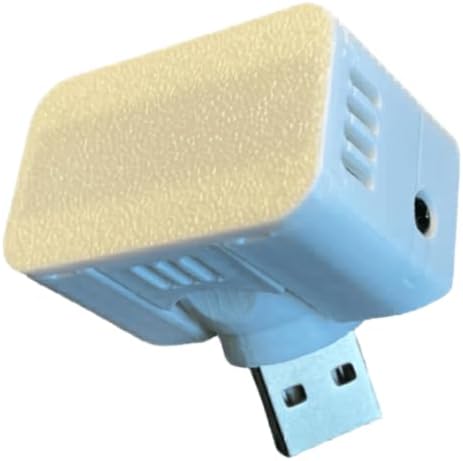


The Akamatis Litos v3 stands out as a top choice for Home Assistant enthusiasts seeking precision. It achieves a solid 4.4 rating thanks to its reliable mmWave radar technology. This sensor is designed to detect stationary humans effectively solving the limitation of traditional motion detectors.
We may earn a commission when you buy through this link, at no additional cost to you.
Its standout quality is the integrated ambient light sensor which allows for context-aware automations. You can program lights to turn on only when the room is dark and occupied. The pre-flashed ESPHome firmware makes setup incredibly easy without requiring manual technical configuration.
While it requires Home Assistant to function which limits its use in other ecosystems this trade-off ensures local control and privacy. The 2.4 GHz Wi-Fi connectivity is standard but means you must ensure your network supports this frequency for optimal performance.
Home automation fans who prioritize accuracy and seamless integration will find this device indispensable. It offers the perfect balance of advanced radar sensing and user-friendly setup for modern smart homes.
The 24GHz mmWave radar detects both movement and stationary objects with high precision up to 20 feet.
The built-in VEML7700 light sensor matches human eye sensitivity for accurate ambient light readings.
We may earn a commission when you buy through this link, at no additional cost to you.
The AKAMATIS v2.2 offers exceptional value for those looking to build a smart home on a budget. With a high 4.4 rating it delivers reliable performance through its mmWave radar module. It is designed specifically to work with Home Assistant for local control automation.
We may earn a commission when you buy through this link, at no additional cost to you.
Its compact plug-and-play design ensures you can get it running quickly without complex wiring. The external antenna significantly improves Wi-Fi range and stability compared to standard internal antennas. This is crucial for maintaining a consistent connection in larger homes.
The main limitation is that it strictly requires an existing Home Assistant installation which might limit flexibility. Additionally the package includes only the sensor so you need to provide your own mounting solution or USB-C power source.
Budget-conscious users who value stability and easy integration will appreciate this device highly. It provides professional-grade radar sensing at an entry-level price point.
The external Wi-Fi antenna paired with the Seeed C3 controller ensures reliable network connectivity.
Pre-flashed with ready-to-use ESPHome firmware for immediate integration without manual flashing.
We may earn a commission when you buy through this link, at no additional cost to you.
This Zigbee Human Presence Sensor brings premium radar capabilities to a wider range of ecosystems. It supports not only Home Assistant but also SmartThings Hubitat and Alexa devices with built-in hubs. Its 4.0 rating reflects solid reliability in detecting stationary individuals effectively.
We may earn a commission when you buy through this link, at no additional cost to you.
The primary advantage is its versatility allowing you to integrate it into various smart home platforms easily. It solves the classic motion sensor issue where lights turn off if you are sitting still reading or sleeping. This creates a truly intelligent and seamless automation experience.
However it requires a separate Zigbee hub to function which adds a small initial cost to the setup. The reliance on two AAA batteries means periodic replacement is necessary though the two-year lifespan is quite reasonable for wireless devices.
Users looking for a flexible solution that works across multiple platforms will find this sensor ideal. It balances high-end radar technology with broad ecosystem support effectively.
Works with major Zigbee hubs including Echo devices SmartThings Hubitat and Home Assistant seamlessly.
Powered by two AAA batteries that last up to two years in typical usage scenarios.
We may earn a commission when you buy through this link, at no additional cost to you.
The Aqara FP300 represents the high end of presence sensing with its 60GHz mmWave radar and AI processing. It achieves a 3.6 rating by offering a comprehensive 5-in-1 sensor experience. This device detects presence temperature humidity light and motion in one compact unit.
We may earn a commission when you buy through this link, at no additional cost to you.
Its standout feature is the adaptive AI learning which continuously optimizes sensitivity to reduce false triggers. This ensures that lights stay on while you lounge on the couch and turn off when the room is truly empty. It offers a superior user experience for complex automation needs.
The device works with Matter over Thread and Zigbee providing excellent ecosystem flexibility. However it is significantly more expensive than basic models and often requires a specific hub to unlock full functionality. The battery life is impressive but the cost can be a barrier for some.
If you want a future-proof sensor that integrates deeply with modern smart home standards this is the pick. It is ideal for those who value advanced features over basic functionality.
Adaptive AI learning continuously refines sensitivity to reduce false triggers effectively.
Supports Matter over Thread and Zigbee for seamless integration with major ecosystems.
We may earn a commission when you buy through this link, at no additional cost to you.
The SONOFF SNZB-06P24 brings advanced zone detection to the affordable Zigbee space. It has a 3.8 rating reflecting its solid performance in detecting subtle micro-movements like breathing. This device is ideal for automating lighting based on precise area occupancy.
We may earn a commission when you buy through this link, at no additional cost to you.
Its 7-zone detection feature allows you to customize which areas trigger automations effectively ignoring windows or corridors. The self-learning calibration adapts to your environment reducing false positives from appliances or air flow. This makes it highly reliable in varied home settings.
While it requires a Zigbee hub the USB-C power means you do not need to replace batteries constantly. The setup can be slightly complex for users unfamiliar with BLE configuration but the flexibility is worth it.
Users who want granular control over their automation zones will find this sensor powerful. It offers a great balance of features and connectivity for a standard Zigbee setup.
Customize detection with up to seven configurable zones to match your specific space needs.
Self-learning calibration filters out interference from appliances and airflow for stable performance.
We may earn a commission when you buy through this link, at no additional cost to you.
The SONOFF SNZB-06P is the most budget-friendly option in our list with a solid 4.0 rating. It uses 5.8GHz cmWave radar to detect motion and stationary people reliably. This model is perfect for users who want basic presence detection without advanced features.
We may earn a commission when you buy through this link, at no additional cost to you.
Its main strength is compatibility with a wide range of smart home platforms including Alexa Google Home and SmartThings. It supports local scene execution so your automations work even without an internet connection. This ensures privacy and reliability during network outages.
The primary drawback is that it requires a specific Zigbee bridge to operate which adds to the initial setup cost. While it includes a light sensor the radar technology is less precise than newer 24GHz models but sufficient for most use cases.
Entry-level smart home users looking for simplicity and affordability should consider this device first. It provides essential presence detection functionality at a very accessible price point.
Zigbee devices can execute scene linkage locally even if there is no internet connection.
Supports major platforms like Alexa Google Home SmartThings and Home Assistant effortlessly.
We may earn a commission when you buy through this link, at no additional cost to you.
This Zigbee Presence Sensor combines presence detection with environmental monitoring in a tiny package. It holds a 3.9 rating due to its unique ability to track temperature humidity and light alongside motion. This makes it ideal for comprehensive climate control automations.
We may earn a commission when you buy through this link, at no additional cost to you.
The ultra-compact design allows it to fit anywhere without cluttering your space. Its magnetic base makes installation incredibly easy on metal surfaces like refrigerators without drilling. You can also use the included 3M tape for glass or tiles.
While it is wireless and cable-free it does rely on a CR2450 battery that needs periodic replacement. It also requires a Zigbee hub to function properly within your Home Assistant setup. The small size might make it harder to spot if you want it to be discreet.
Users who value a complete environmental overview in a small footprint will appreciate this device. It is particularly useful for rooms where climate control is as important as lighting.
Integrates sensors for temperature humidity and illumination to automate your entire smart home.
Integrated magnetic base allows for easy attachment to metal surfaces without tools.
We may earn a commission when you buy through this link, at no additional cost to you.
The Akamatis v1.3 holds an impressive 4.9 rating making it one of the most reliable Wi-Fi sensors available. It uses mmWave radar to detect both moving and stationary objects with high precision. This model is specifically built to integrate directly into Home Assistant environments.
We may earn a commission when you buy through this link, at no additional cost to you.
Its standout feature is the external antenna paired with the ESP32-C3 controller which ensures a strong and stable Wi-Fi connection. This reliability is crucial for real-time automations where lag could lead to lights turning off prematurely. The plug-and-play design simplifies the installation process significantly.
The limitation is that it requires Home Assistant for setup and use which means it cannot work with other platforms. It also needs a constant USB-A power source so placement is dependent on having a nearby outlet or extension cable.
Reliability-focused users who want a simple and proven Wi-Fi solution should consider this sensor. It offers consistent performance with minimal configuration effort.
The external antenna provides reliable connectivity with improved range and stability indoors.
Connects to the device hotspot to enter Wi-Fi credentials without manual configuration steps.
We may earn a commission when you buy through this link, at no additional cost to you.
The WenzhiIoT sensor offers a detailed set of configuration options for power users. It rates 3.8 stars for its ability to detect human static states accurately through mmWave radar. This model is designed to work seamlessly with Tuya Smart Life and Home Assistant.
We may earn a commission when you buy through this link, at no additional cost to you.
Its advanced settings allow you to adjust sensitivity from 1 to 9 and set unmanned delay times from 5 to 1500 seconds. The ability to set data reporting intervals in ZigBee2mqtt is a unique feature that reduces network noise. This gives you precise control over how the device reports data.
The downside is that it typically requires a Tuya Zigbee gateway to function which might limit flexibility for some users. The setup can be more involved than simpler models due to these advanced settings and configuration steps.
Power users who want granular control over detection parameters will find this sensor highly valuable. It provides a level of customization that few other affordable devices offer.
Set sensitivity from 1 to 9 and adjust delay times to avoid irrelevant movement.
Supports setting data reporting interval time to reduce noise on Zigbee networks.
We may earn a commission when you buy through this link, at no additional cost to you.
The meross MS600 brings modern Matter support to presence sensing with a 3.8 rating. It combines radar PIR and light sensors to ensure accurate detection of users and pets. This sensor connects directly via Wi-Fi which simplifies setup for many users.
We may earn a commission when you buy through this link, at no additional cost to you.
Its pet-proof shield prevents false triggers from pets or robot vacuums making it reliable for households with animals. The adjustable base allows you to pivot and rotate the sensor to cover wide angles effectively. The 12m detection range is sufficient for large living rooms or open spaces.
However the device requires continuous power via a cord which limits placement options compared to battery models. While it works without a hub for many platforms a hub is needed for full Matter compatibility. This can be a slight inconvenience depending on your ecosystem setup.
Users who want a modern and pet-friendly sensor with wide compatibility should choose this model. It offers a practical blend of connectivity and durability for family homes.
Includes a pet-proof shield to prevent pets from accidentally triggering the sensor.
Integrates seamlessly with multiple platforms through the Matter framework and HomeKit.
We may earn a commission when you buy through this link, at no additional cost to you.
Selecting the right sensor involves understanding several key factors including connectivity range and power needs.
Connectivity is the most critical factor since it determines how the sensor communicates with your hub or network. Wi-Fi sensors connect directly to your router which simplifies setup but can clog your network if you have many devices. Zigbee sensors use a dedicated mesh network which is more efficient for large homes and battery-powered devices. Always check which protocol your current ecosystem supports before purchasing.
Choose the connectivity type that best matches your existing smart home infrastructure.
Modern presence sensors use mmWave radar to detect both motion and stationary humans. 24GHz radar is common and offers good range for most rooms while 60GHz radar provides higher precision. The key benefit is the ability to detect micro-movements like breathing which ensures lights do not turn off while you are reading or sleeping.
Look for mmWave technology to ensure reliable detection of stationary individuals.
Ensure the sensor works with your preferred automation platform. Some devices like Akamatis models work exclusively with Home Assistant while others support broader ecosystems like Alexa or Google Home. Matter support is becoming a standard that allows devices to work across different platforms seamlessly.
Verify the sensor is compatible with your hub and chosen automation software.
Sensors typically come in battery-powered or corded versions. Battery models offer flexible placement but require periodic replacement which can be inconvenient for hard-to-reach spots. Corded models provide continuous power and are great for permanent installations but limit placement to outlets.
Decide between battery flexibility and corded convenience based on your installation needs.
The effective range of the sensor determines how much space it can monitor accurately. Most models offer coverage up to 20 feet which is sufficient for standard rooms. For larger open spaces you might need a device with adjustable zones or multiple units to cover the area fully.
Check the range specifications to ensure coverage of your target area.
Many sensors include built-in light temperature or humidity sensors that add value beyond presence detection. These features allow for more complex automations like adjusting climate control based on occupancy. Some models also offer zone detection which lets you ignore specific areas like corridors or windows.
Consider extra sensors and zoning features to enhance your automation capabilities.
A sensor with pre-flashed firmware or a simple app interface saves significant time during installation. Some devices require manual flashing or complex configuration steps which can be a barrier for non-technical users. Look for plug-and-play options if you prefer a quick setup without technical challenges.
Prioritize devices with straightforward setup processes for a smoother experience.
The physical design and build quality affect both aesthetics and durability. Compact devices blend better into modern interiors while rugged designs withstand more environmental factors. Consider how the sensor looks and where it will be placed to ensure it fits your home style.
Select a design that matches your interior and is durable for long-term use.
Install the sensor at a height of roughly 6 to 7 feet for optimal detection. This position allows the radar to scan the room effectively without being blocked by furniture. Point the device away from direct air vents or heat sources that could interfere with readings.
Configure your automations carefully by setting appropriate delays for turning lights off. A delay of 30 to 60 seconds prevents lights from turning off if you pause movement briefly. Adjust these settings in your Home Assistant automation logic to find the right balance for your habits.
Maintain the device by keeping the lens clean and checking the power source regularly. For battery models monitor the battery level in your dashboard to avoid unexpected outages. For wired models ensure the power cable remains secure and undamaged over time.
PIR sensors detect changes in infrared radiation caused by moving bodies which means they miss stationary people. mmWave sensors use radar waves to detect micro-movements like breathing ensuring they register a human even when completely still. This makes mmWave vastly superior for automation requiring constant detection.
It depends on the specific model. Some Wi-Fi sensors connect directly to your router without a hub. Others rely on Zigbee or Thread protocols which require a compatible gateway or bridge to communicate with Home Assistant. Check the product requirements before buying.
They are highly accurate for small rooms as radar technology covers the space thoroughly. However you should avoid placing them in corners where the signal might be blocked by walls. Proper placement ensures they detect all occupants effectively without false negatives.
Yes many presence sensors can trigger security alarms when a room is occupied unexpectedly. Their ability to detect stationary individuals makes them more reliable than standard motion detectors for security. Always integrate them with a dedicated security platform for best results.
Many models include pet-proof settings or shields to ignore small movements like pets walking. You can also adjust the sensitivity and height of the sensor to focus on human height. Testing the placement is key to ensuring it ignores pets but captures humans.
For Wi-Fi models connectivity loss stops the device from sending data to Home Assistant unless configured locally. Zigbee models often continue to work if your local hub remains online even without internet. Always use local automations to maintain reliability during outages.
Battery life varies by model but typically ranges from six months to two years. Devices with light sensors and constant updates consume more power than basic radar units. Check the specific battery type and consumption ratings to estimate replacement needs.
Yes you can link multiple sensors to create a unified zone in your Home Assistant. This allows you to cover large rooms by ensuring at least one sensor detects presence to keep lights on. You might need to tweak logic to avoid overlapping triggers.
In summary the Akamatis Litos v3 leads the pack for its seamless integration and precision radar technology. The SONOFF SNZB-06P offers excellent value for those on a tight budget needing basic functionality. For premium users the Aqara FP300 provides advanced AI and multi-sensor capabilities.
Prioritize the connectivity type and power source that fit your existing infrastructure. If you value local control and privacy Wi-Fi or Zigbee models that work directly with Home Assistant are ideal. Consider your specific room size and automation needs to find the perfect fit.
Remember that pricing and availability can fluctuate so verify current listings before making a final purchase. These devices transform how you interact with your home by removing the need for manual switches. Invest in the model that best supports your long-term automation goals.