
Capture Card 4K HDMI Video Streaming to USB 3.0 1080P 60FPS Capture Device
4.4Editor score
Plug-and-play setup
Low latency performance
Wide device compatibility
This guide compares the top audio capture cards for streaming to help you choose the best device for high-quality game streaming and live recording today.
Choosing the right audio capture card for streaming is essential for creators who want to deliver professional-quality broadcasts to their audience. A good device ensures low latency, crisp sound, and seamless integration with your existing setup without requiring complex configuration steps.
We have evaluated ten leading models based on their video quality, audio processing capabilities, compatibility with major streaming platforms, and ease of use. Our analysis focuses on real-world performance metrics that matter most to gamers and content creators looking to upgrade their production workflow.
Each pick in this list highlights specific strengths and ideal use cases so you can find the perfect match for your needs. Please note that product availability and pricing may change over time, so verify details before making your final purchasing decision.
4.4Editor score

4.0Editor score

4.5Editor score
This side-by-side comparison details the key specifications and capabilities of each model to help you make an informed decision based on your specific streaming requirements and budget constraints.


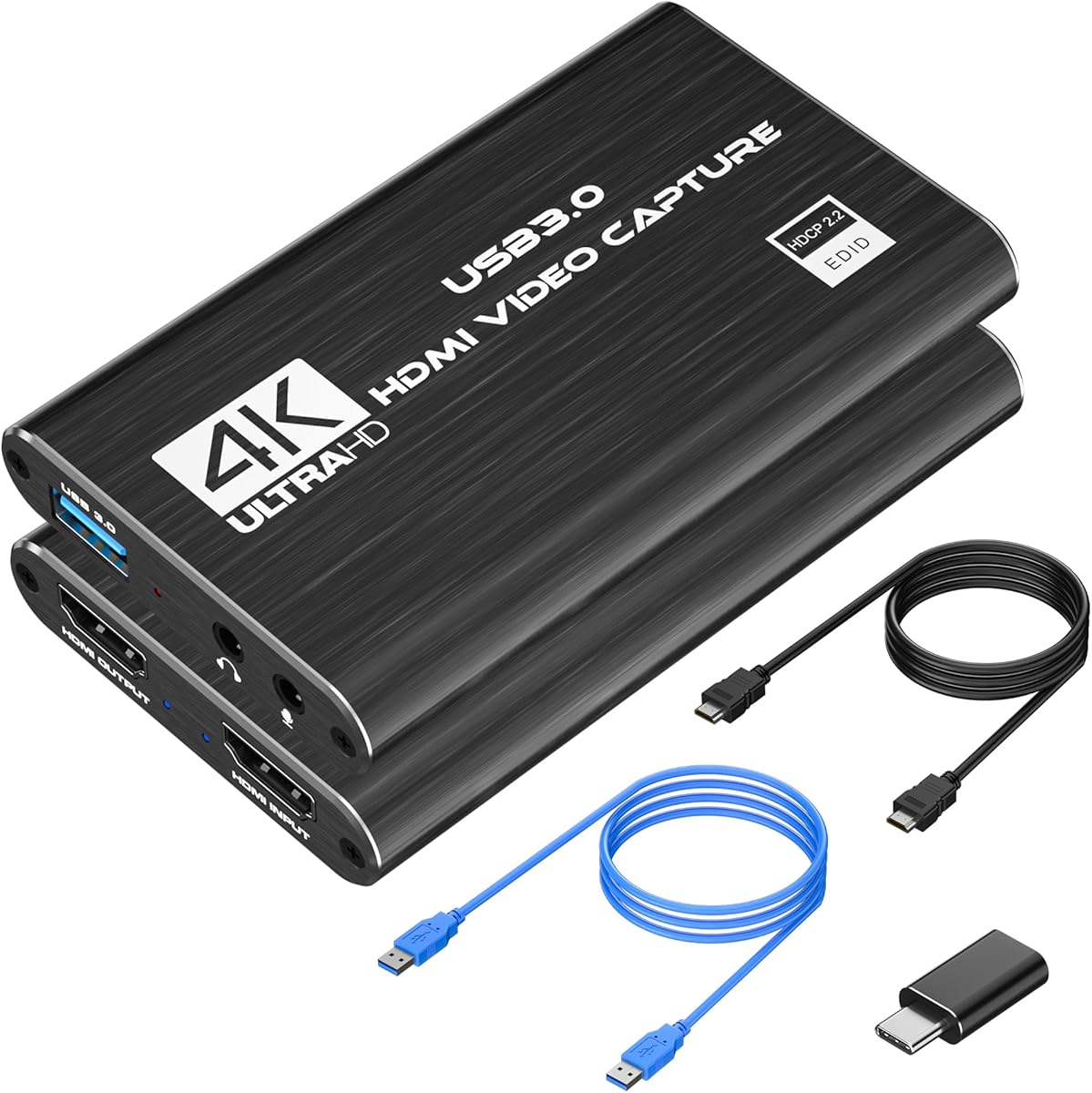


This device is a solid entry-level choice for streamers who need reliable video capture without breaking the bank. It delivers 1080p 60fps output which is sufficient for most casual gaming streams on platforms like Twitch or YouTube.
We may earn a commission when you buy through this link, at no additional cost to you.
Its plug-and-play design means you can start recording immediately after connecting it via USB 3.0. The HDMI loop-out allows you to monitor gameplay without lag while broadcasting to your audience in real time.
While it does not support HDR or higher output resolutions beyond 2K, it handles standard content very well. The microphone input is a welcome addition for commentary without needing extra hardware.
If you are building your first streaming setup and want something that just works out of the box, this model offers excellent value. It pairs well with OBS and other common streaming software for smooth delivery.
The true plug and play functionality eliminates driver installation hassles so you can focus on creating content instead of troubleshooting.
High-speed USB 3.0 technology ensures minimal delay between your actions and what viewers see during live broadcasts.
We may earn a commission when you buy through this link, at no additional cost to you.
OREI offers a more advanced solution for creators who need professional-grade features like integrated audio mixing and HDR support. The 4K60Hz capture ensures crisp detail and smooth motion for high-end productions.
We may earn a commission when you buy through this link, at no additional cost to you.
You can combine digital HDMI audio with mic and line-in inputs directly through the device. This reduces cable clutter and simplifies your workflow when managing multiple audio sources during a stream.
The UVCUAC compliance ensures compatibility across Windows, macOS, and Linux without needing custom drivers. However the higher cost reflects the premium capabilities and broader feature set compared to basic models.
Choose this if you require robust audio handling and are comfortable with a more complex setup. It is ideal for semi-professional setups where sound quality is just as important as video fidelity.
The integrated audio mixer allows you to blend game sound and microphone inputs seamlessly within the capture card itself.
Support for HDR and uncompressed 4K@60fps provides rich colors and clarity that elevate your stream visual appeal.
We may earn a commission when you buy through this link, at no additional cost to you.
This model strikes an excellent balance between affordability and performance for gamers who want to stream on the go. It captures 1080p 60fps video reliably while allowing seamless passthrough for zero-delay gameplay monitoring.
We may earn a commission when you buy through this link, at no additional cost to you.
You can plug it into any laptop or desktop and start streaming immediately thanks to the true plug and play design. It works with major streaming platforms like OBS and Streamlabs out of the box without configuration.
While it lacks dedicated audio inputs or advanced HDR features, it covers the basics very well for most users. The compact size makes it easy to pack in a bag for LAN parties or travel.
If you need a versatile capture solution that fits various setups without complicating your gear, this is our top recommendation. It delivers professional-looking footage at a price that suits growing channels.
Compatible with Switch, PS5, Xbox Series X, and DSLRs this device handles nearly any HDMI source you own.
Low-latency capture ensures what you see on screen matches exactly what your audience experiences in real time.
We may earn a commission when you buy through this link, at no additional cost to you.
Designed with competitive gamers in mind this card supports high frame rate passthrough up to 240Hz for smooth local monitoring. It also captures 4K60Hz ensuring your broadcast maintains high visual fidelity even during fast motion.
We may earn a commission when you buy through this link, at no additional cost to you.
Variable Refresh Rate technology helps prevent screen tearing on compatible displays while you play. The smart display lets you adjust ring light settings or check operation parameters directly on the unit.
You can customize settings using the PORTTA CapHub Utility on Windows or macOS to optimize EDID or VRR modes. This adds flexibility but requires downloading additional software compared to simpler alternatives.
Choose this model if you prioritize smooth frame rates and need VRR support for your specific monitor setup. It is a strong contender for serious gamers who want both performance and visual accuracy.
VRR integration keeps your gameplay screen smooth without tearing which is crucial for competitive gaming streams.
Downloadable utility software lets you fine-tune video settings and firmware for a tailored capture experience.
We may earn a commission when you buy through this link, at no additional cost to you.
acer offers a straightforward capture card that makes adding voice commentary simple without extra adapters. You can plug a standard headset directly into the mic-in port to sync voice with video automatically.
We may earn a commission when you buy through this link, at no additional cost to you.
The YUY2 video format delivers richer colors compared to standard MJPEG which helps your stream look more vibrant. It supports 4K input but outputs 1080P at 60Hz for smooth streaming performance.
This device is incredibly small and lightweight so it fits easily in any bag for mobile streaming needs. It works with most platforms including YouTube, Twitch, and OBS without requiring specific drivers.
If you want a reliable capture tool with built-in voice capabilities at a low cost this is an excellent choice. It removes common compatibility headaches and gets you broadcasting quickly and easily.
The mic-in port accepts standard 3.5mm headsets so you can add commentary without buying a separate microphone interface.
YUY2 technology ensures your footage displays rich accurate colors that engage viewers and look professional.
We may earn a commission when you buy through this link, at no additional cost to you.
This capture card delivers reliable 1080p 60fps performance ideal for standard streaming requirements. It includes a mic-in port for commentary and an HDMI loop-out so you can watch gameplay without lag.
We may earn a commission when you buy through this link, at no additional cost to you.
The device identifies automatically as a webcam once plugged in so your system recognizes it instantly. It works with Windows and Mac OS and supports all major HDMI devices including consoles and cameras.
With USB 3.0 connectivity you get high-speed transmission that helps avoid freeze frames during busy streams. It is a solid choice for creators who need dependable quality without paying for advanced extras.
If you need a straightforward and trustworthy capture card for daily use this model fits the bill. It handles the essential tasks well and integrates smoothly with popular streaming software.
True plug and play functionality means the device is recognized as a webcam immediately without installing drivers.
HDMI loop-out provides a lag-free view of your source so you can see exactly what you broadcast.
We may earn a commission when you buy through this link, at no additional cost to you.
This all-in-one unit combines video capture with a professional audio mixer saving you from buying separate gear. It supports XLR microphones with phantom power so you can use studio-grade mics directly without extra interfaces.
We may earn a commission when you buy through this link, at no additional cost to you.
You have control over four audio channels using physical faders plus dedicated mute buttons for quick adjustments. The built-in voice changer and sound pads add interactive elements to your broadcast easily.
While it costs more than basic cards it eliminates cable clutter and saves desk space significantly. The zero-latency loop-out ensures your visual sync remains perfect during live sessions.
Select this if you want studio-quality audio and video in a single package for gaming or podcasting. It simplifies complex setups while delivering impressive production value for your stream.
Built-in XLR interface with phantom power lets you connect professional microphones directly for crystal clear sound.
Sound pads and voice changers help you engage viewers with instant audio effects and personalized content.
We may earn a commission when you buy through this link, at no additional cost to you.
AVerMedia delivers a high-performance card that supports ultra-wide monitors and high frame rate recording for immersive streams. It captures 4K60 HDR and offers VRR passthrough so your monitor stays smooth during gameplay.
We may earn a commission when you buy through this link, at no additional cost to you.
You can capture 5.1-channel audio on Windows using their Streaming Center software for surround sound fidelity. The device supports up to 1440p144 recording which is excellent for high-speed action content.
It connects via USB 3.2 Gen 1 Type-C ensuring stable data transfer for long recording sessions. The card is optimized to work with OBS for a seamless workflow without complex configurations.
This is a great pick for console gamers using modern displays who want premium audio and video quality. It balances high-end features with usability for dedicated creators.
Input support for 3440×1440 and 2560×1080 ensures ultra-wide gaming setups are captured correctly.
Capture 5.1-channel audio for immersive soundscapes that enhance the viewer experience.
We may earn a commission when you buy through this link, at no additional cost to you.
Elgato offers a premium internal capture card that delivers unmatched performance for high-end PC streaming setups. It supports 8K60 passthrough and captures 4K60 with ultra-low latency for precise synchronization.
We may earn a commission when you buy through this link, at no additional cost to you.
Variable Refresh Rate technology eliminates screen tearing ensuring your gameplay looks flawless on supported displays. You can reach up to 240fps in 1080p for incredibly smooth and responsive capture.
Installation requires a free PCIe slot but once set up it offers rock-solid reliability without USB connection issues. The HDMI 2.1 connectivity ensures compatibility with future devices and high-bandwidth formats.
Choose this if you have a desktop PC and want the best possible capture quality without compromise. It is an investment that ensures your setup remains relevant as technology advances.
Internal installation provides stable power and data transfer without relying on external USB connections.
HDMI 2.1 connectivity supports the latest video standards and prepares you for next-gen devices.
We may earn a commission when you buy through this link, at no additional cost to you.
This card supports high frame rates up to 120fps at 1080p and 60fps at 4K for smooth streaming. It includes both audio in and mic out ports which helps integrate external audio sources into your broadcast.
We may earn a commission when you buy through this link, at no additional cost to you.
Compatible with Windows, Mac, Linux, and even Android devices it offers exceptional flexibility across different platforms. You can connect via USB A or C making it easy to adapt to various ports.
The device works with most video editors and streaming apps out of the box without needing custom drivers. It is a cost-effective option for users who need versatility without sacrificing basic quality.
If you need a capture card that works on many devices and handles decent frame rates this fits the need. It provides solid performance for everyday streaming and recording tasks.
Works across Windows, macOS, Linux, and Android so you can stream from many different devices.
Audio input and mic output allow you to connect external microphones or headphones seamlessly.
We may earn a commission when you buy through this link, at no additional cost to you.
Selecting the right capture card depends on your budget, technical setup, and desired output quality. Here are key factors to consider before making your choice.
Check the maximum resolution and frame rate the card supports for both input and output. If you want to stream in 4K or high frame rates like 60fps, ensure the card handles these without dropping frames or introducing latency.
Prioritize cards that support 1080p60fps at minimum for smooth streaming, with 4K support if you need higher fidelity for professional content.
Look for models with microphone inputs or integrated audio mixers if you need to add commentary directly. Cards with XLR support or phantom power are ideal if you use high-end mics.
Ensure the card can handle audio syncing properly to avoid lip-sync issues during live broadcasts.
USB 3.0 or newer interfaces are essential for high-speed data transfer to prevent bottlenecks. Internal PCIe cards offer more stability but require a desktop setup.
Verify that the ports match your computer's available connections and that cables are included or compatible.
Low latency is critical for real-time interaction with your audience during live streams. HDMI loop-out features allow you to monitor gameplay without delay while broadcasting.
Choose cards that advertise ultra-low latency to ensure your viewers see actions instantly as they happen.
Ensure the capture card works with OBS, Streamlabs, or other software you plan to use. UVC and UAC compliance simplifies setup across different operating systems.
Look for plug-and-play devices that do not require complex driver installations to start streaming quickly.
HDR support improves visual contrast and color accuracy for a more vibrant stream. Variable Refresh Rate (VRR) helps prevent screen tearing on compatible monitors.
If you play on modern displays, prioritize cards that support these technologies for the best gaming experience.
Consider the physical build and heat dissipation features especially if you plan long streaming sessions. Durable connectors and compact designs help with portability and longevity.
Reputable brands often provide better warranties and customer support which adds value to your investment.
Compare features against the price to find a model that offers the best value for your needs. Budget options may lack advanced audio or video features but work well for beginners.
Invest in higher-end cards only if you need professional-grade features like internal audio mixing or 4K60 recording.
Start by connecting your video source to the HDMI input on the capture card and your PC to the USB port. If your card has audio inputs connect your microphone or external audio source now.
Install any required software or settings for your streaming platform if the card does not support plug-and-play. Most modern devices will appear as webcams in OBS or Streamlabs automatically.
Keep the card cool by placing it in a ventilated area and avoid blocking any vents. Update firmware regularly if supported and store the device safely when not in use to prolong its lifespan.
Not necessarily. USB capture cards handle much of the encoding themselves so they do not heavily load your CPU. However streaming simultaneously may require a decent processor to manage both tasks smoothly.
Yes most USB capture cards work with laptops as long as you have a free USB port. Internal PCIe cards require a desktop but external options are designed for portable setups.
1080p captures standard HD quality while 4K captures higher resolution with more detail. Choose 4K if you need to zoom in or want higher fidelity but be aware it requires more storage.
Audio delay can occur due to processing lag or incorrect settings in your streaming software. Ensure your capture card and software are synced properly and check audio latency settings.
Yes most modern capture cards support consoles via HDMI. Just connect the console to the card input and your PC to the USB connection to start streaming.
Plug-and-play is more convenient and easier for beginners since it avoids driver issues. However some high-end cards may benefit from drivers for full feature access.
We reviewed ten capture cards ranging from budget-friendly options to high-end professional models to help you find the right fit. Each product offers distinct strengths depending on whether you prioritize audio, video, or both.
If you are just starting out focus on ease of use and compatibility with your existing gear. More advanced creators may benefit from models with XLR inputs or HDR support for higher production quality.
Prices and stock change frequently so check current availability before purchasing. Use this guide as a reference to compare features and choose the best audio capture card for your streaming needs.