
Zopsc 2 Pack DO Dissolved Oxygen Tester
4.0Editor score
Wireless smartphone pairing
Floating ABS housing
Extended battery life
This guide compares the top ten dissolved oxygen sensors 2 available for aquaculture and labs. We analyze accuracy, calibration, and durability to help you
Dissolved oxygen sensors 2 are essential tools for monitoring water quality in various environments. Whether you manage a fish farm or run a lab, precise oxygen levels ensure health and safety. Choosing the right device requires understanding specific features and application needs.
We evaluated ten top-rated models based on performance, ease of use, and reliability. Our comparison includes sensors for Arduino projects, professional meters, and industrial probes. Each entry offers unique benefits suited to different budgets and technical requirements.
Every pick highlights key specifications, pros, and cons to guide your decision. Remember that prices and availability change frequently online. Check the latest offers before purchasing to ensure you get the best value for your specific measurement tasks.
4.0Editor score
4.4Editor score

4.6Editor score
The following table provides a side-by-side comparison of all ten selected products. Review the key specifications to identify which model aligns best with your water quality monitoring goals and technical constraints.



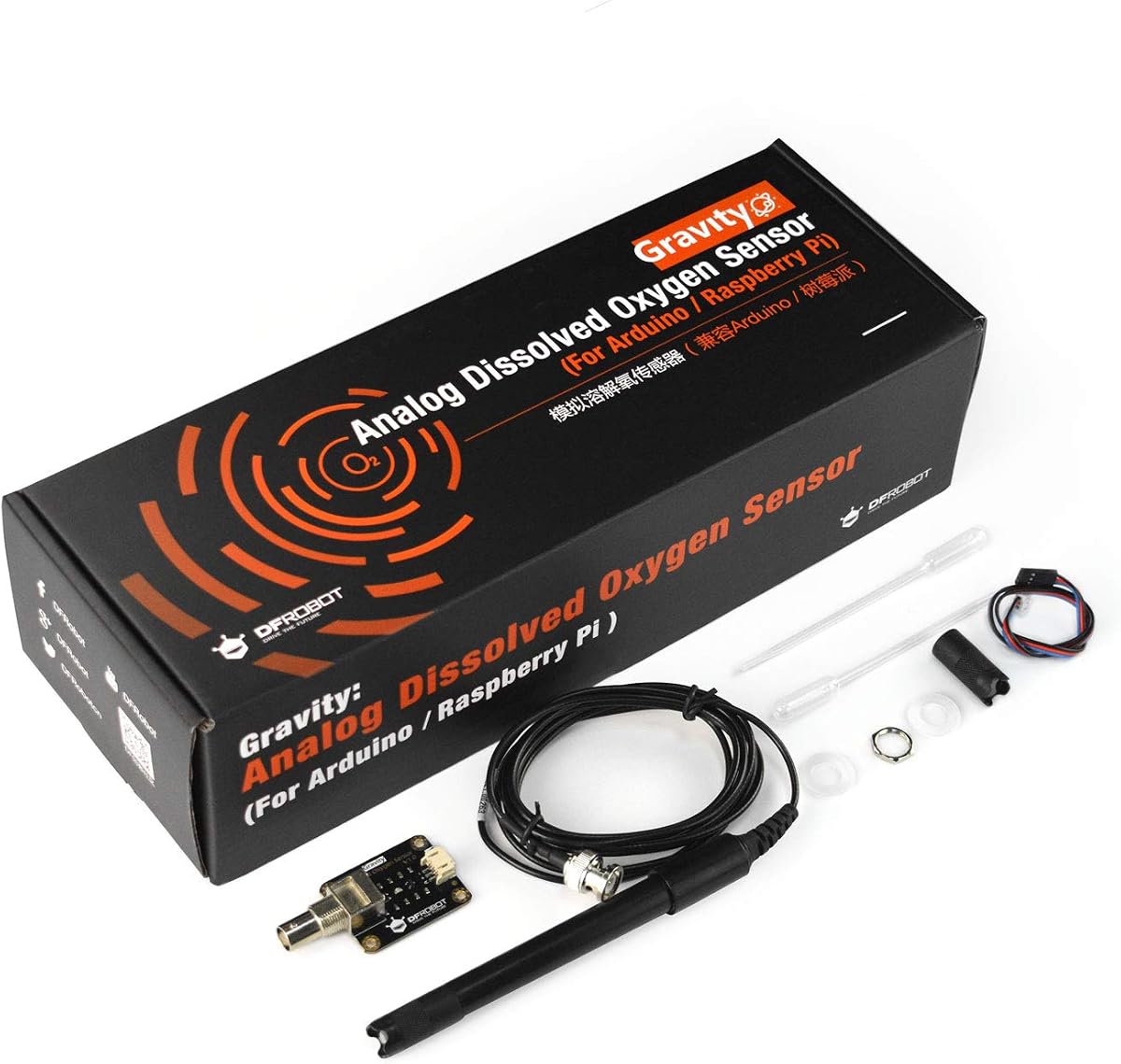
The Gravity Analog Dissolved Oxygen Sensor Kit stands out for IoT projects with its galvanic probe design. It avoids the need for polarization, allowing instant measurements whenever power is available. This makes it ideal for intermittent power supplies in remote aquaculture setups.
We may earn a commission when you buy through this link, at no additional cost to you.
Its hardware filtering ensures stable analog signals without complex software processing. The kit includes comprehensive documentation and open-source code for quick deployment. You get spare membrane caps and clear instructions for single or two-point calibration.
Note that the required NaOH filling solution is not included due to shipping rules. You must prepare this locally before use. While the sensor itself is robust, this extra step adds slight initial setup time for new users.
This kit is perfect for developers building water quality monitors with Arduino or ESP32. Its low power consumption and easy interface make it a top choice for hobbyists and professionals needing reliable dissolved oxygen data without high costs.
The galvanic probe allows measurements anytime without warming up, saving energy in battery powered systems.
Included code and tutorials simplify integration into custom projects for rapid prototyping and testing.
We may earn a commission when you buy through this link, at no additional cost to you.
This LDO sensor provides reliable water analysis with a ten meter probe cable. It ensures consistent results suitable for industrial and environmental applications. The design prioritizes durability, making it robust for harsh field conditions.
We may earn a commission when you buy through this link, at no additional cost to you.
Users benefit from a user-friendly setup that reduces maintenance costs over time. Its efficient performance delivers quick stable readings. The versatile nature allows use across labs and industrial sites without compromising accuracy.
The main trade-off is the higher price compared to basic kits. It is best suited for professional environments where reliability justifies the investment. Ensure compatibility with your meter before purchasing.
Choose this sensor if you need a long reach probe for deep tanks or remote monitoring. Its reliability makes it a strong candidate for applications where data consistency is critical.
The 10 meter probe allows placement far from the main meter for flexible testing setups.
Built with robust materials to withstand demanding environments and long term operation.
We may earn a commission when you buy through this link, at no additional cost to you.
The YSI 605203 is a polarographic sensor from the Pro Series line. It offers lab supply quality suitable for precise measurements. The compact packaging indicates a focus on portability and ease of storage.
We may earn a commission when you buy through this link, at no additional cost to you.
YSI products are known for reliability in professional settings. This model fits well in existing lab equipment setups. Its design supports accurate readings when used with compatible meters.
Users should verify compatibility with their specific YSI meter model before use. While reliable, polarographic sensors may require regular maintenance and calibration compared to optical types.
Select this sensor for laboratory environments where brand consistency matters. It is a solid choice for professionals needing a proven polarographic solution.
Part of the Pro Series line, ensuring high standards for laboratory measurements.
Designed to meet rigorous lab requirements for accuracy and consistency.
We may earn a commission when you buy through this link, at no additional cost to you.
This meter is designed for aquarium and fish tank owners needing versatile testing. It features a long cable for deep water access and includes essential accessories like Teflon membranes and electrolytes. The display shows DO, temperature, and pressure clearly.
We may earn a commission when you buy through this link, at no additional cost to you.
It supports multiple testing parameters including salinity and barometric pressure. The 99-memory function allows tracking changes over time. Auto temperature compensation ensures accuracy across different water conditions.
The sensor life depends on regular maintenance and membrane replacement. While compact, it may feel heavy for extended outdoor use. Users should follow calibration instructions for best results.
This kit is ideal for hobbyists managing multiple tanks or ponds. Its comprehensive features make it a practical choice for home and small commercial setups.
Measures DO, temperature, salinity, and pressure for a full water quality assessment.
Stores 99 readings to help track trends in water quality over time.
We may earn a commission when you buy through this link, at no additional cost to you.
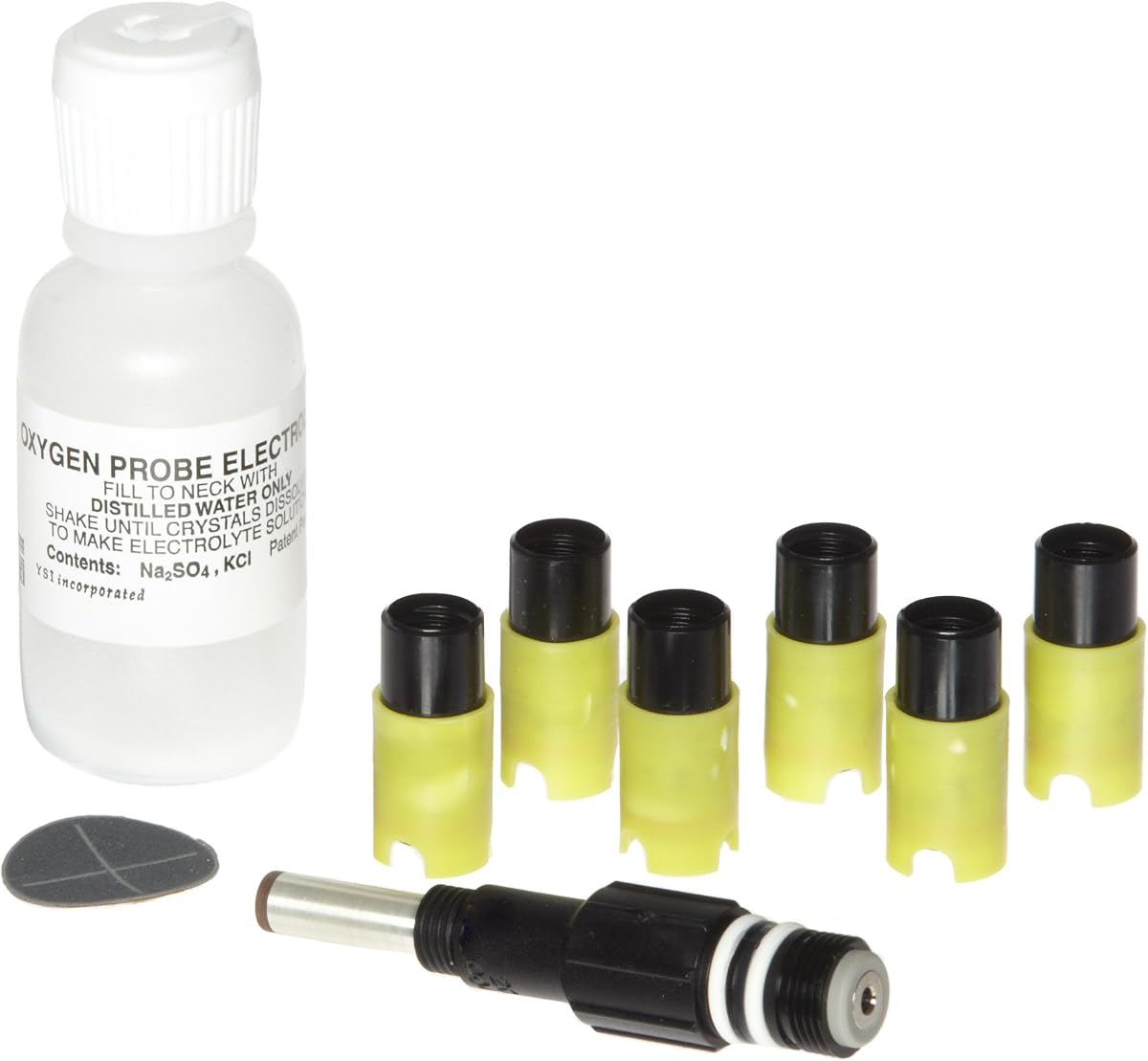
The YSI 605202 galvanic sensor simplifies maintenance with its user-replaceable design. It allows quick replacements without tools, saving downtime. The package includes membrane caps and a bottle of solution to get started immediately.
We may earn a commission when you buy through this link, at no additional cost to you.
Its high rating reflects reliability and ease of use for professionals. The screw-on cap design makes membrane changes simple. This reduces long term costs by avoiding full sensor swaps.
Ensure you have a compatible YSI meter before buying. While premium priced, the convenience and included consumables add significant value for frequent users.
This sensor is perfect for aquaculture farms or labs needing minimal downtime. Its design supports high usage rates with easy upkeep.
Changes membranes without tools, speeding up upkeep and reducing operational downtime.
Comes with extra caps and solution, lowering initial setup costs for users.
We may earn a commission when you buy through this link, at no additional cost to you.
The Zopsc tester connects wirelessly to mobile devices for real-time data. It floats on the surface, making it safe for tanks and ponds. The app supports multiple languages, appealing to a global audience.
We may earn a commission when you buy through this link, at no additional cost to you.
It includes a 500mAh battery for days of continuous operation. Data export via email simplifies reporting for aquaculture or lab analysis. The sealed housing protects internal circuits from water damage.
This device relies on a smartphone app which may not suit all users. Battery life is good but depends on usage frequency. Calibration is simple but less precise than bench meters.
Choose this for affordable portable testing where convenience matters. It is great for hobbyists needing quick checks without complex wiring.
Pairs with smartphones for wireless data, freeing you from cables in the field.
Floats on the surface for stable readings without needing heavy anchors.
We may earn a commission when you buy through this link, at no additional cost to you.
This kit offers portable dissolved oxygen testing with high accuracy. It features automatic temperature compensation and a resolution of 0.01 ppm. The screw-on membranes are easy to replace during maintenance.
We may earn a commission when you buy through this link, at no additional cost to you.
The meter is designed for field use with compact dimensions. It supports manual inputs for salinity and barometric pressure. This flexibility ensures reliable data in varying environmental conditions.
It runs on a 9V battery, so replacements are needed occasionally. The price reflects its professional grade capabilities. Ensure you have proper calibration procedures in place.
This kit suits professionals needing a trusted portable solution. It is ideal for site visits and independent testing away from labs.
Provides high resolution and accuracy for critical water quality monitoring tasks.
Designed for easy transport and operation in remote field environments.
We may earn a commission when you buy through this link, at no additional cost to you.
This optical sensor offers high performance with minimal maintenance. It is compatible with the ProDSS system for advanced monitoring. The industrial grade build ensures longevity in tough conditions.
We may earn a commission when you buy through this link, at no additional cost to you.
Optical sensors reduce calibration frequency compared to polarographic types. It delivers stable data with no electrolyte needs. This makes it suitable for long-term continuous monitoring.
The cost is significant and requires a specific ProDSS host. It is best for industrial sites where reliability justifies the investment. Verify system compatibility before purchase.
Select this sensor for critical industrial applications. Its optical tech provides long-term stability with reduced upkeep.
Uses optical sensing to reduce maintenance and improve long term stability.
Built for harsh industrial environments to ensure consistent performance over time.
We may earn a commission when you buy through this link, at no additional cost to you.
The DAN&DRE meter simplifies setup with automatic 2-point calibration. Its modular design lets you replace the electrode separately, saving costs. Intelligent temperature compensation ensures accuracy across varying water temperatures.
We may earn a commission when you buy through this link, at no additional cost to you.
It delivers results in under 15 seconds, making it efficient for frequent checks. The ABS construction is compact and durable for home or professional use. Range covers 0 to 199.9% and 0 to 16.5mg/L.
As a newer model, long-term reliability data is limited. The modular design is promising but ensure spare parts are available. Users should handle the thin film electrode with care.
This meter suits aquaculture and household fish care. Its features balance cost and convenience for routine water quality checks.
Automatic buttons for 0% and 100% calibration save time on setup.
Separate electronic unit and sensor allow for easy replacement of worn parts.
We may earn a commission when you buy through this link, at no additional cost to you.
This Yewhick meter comes with filling fluid and calibration powder. It supports a wide range of 0 to 40 mg/L. The built-in temperature sensor ensures accurate compensation across different conditions.
We may earn a commission when you buy through this link, at no additional cost to you.
A large LCD screen makes readings easy to see. It includes extra batteries and membrane caps for daily maintenance. The auto-shutdown function preserves battery life for extended use.
Calibration is simple but basic compared to higher end models. It works well for education and brewing. Users should store accessories properly to avoid damage.
Ideal for beginners needing a full set of tools. Its value and accessories make it a practical entry level choice.
Includes fluid, powder, and batteries, offering everything needed for immediate testing.
Covers a broad measurement range suitable for diverse water quality needs.
We may earn a commission when you buy through this link, at no additional cost to you.
Selecting the right dissolved oxygen sensor depends on your specific application. Consider the technology, calibration methods, and durability needed for your environment to ensure reliable results.
Dissolved oxygen sensors use polarographic or galvanic methods. Polarographic sensors require polarization time while galvanic sensors offer instant readings. Optical sensors provide low maintenance but are often more expensive.
Some sensors need manual calibration while others support auto-calibration. Look for models with easy calibration points like 0 and 100%. Frequent calibration ensures accuracy over time.
Check the sensor range to match your environment. Common ranges are 0 to 20 mg/L or higher for specific industrial uses. Ensure the device covers the expected oxygen levels in your water.
Portable meters are ideal for field testing while bench models suit labs. Consider weight, cable length, and battery life. A floating design helps for tank testing.
Industrial sensors are built to withstand harsh conditions. Look for waterproof housing and robust cables. Durability reduces long-term replacement costs in active environments.
Modern sensors may connect to smartphones or PCs for data logging. Wireless options simplify recording and sharing results. Ensure compatibility with your preferred app or system.
Maintenance requirements vary by sensor type. Galvanic and polarographic sensors need membrane and electrolyte changes. Optical sensors reduce these needs but may require lens cleaning.
Prices range from affordable kits to high-end industrial units. Balance cost with reliability and support. Consider long-term consumable costs when planning your budget.
Start by calibrating the sensor according to the manufacturer's instructions. Use standard solutions to ensure accurate readings. Allow the sensor to stabilize before taking measurements.
Dissolved oxygen refers to oxygen gas dissolved in water. It is vital for aquatic life and water quality. Low levels can harm fish and indicate pollution or stagnation.
Calibration frequency depends on usage. For frequent testing, calibrate weekly or before critical tests. Infrequent users may calibrate monthly. Always check before important measurements.
Galvanic sensors work instantly without polarization time, while polarographic sensors need a brief warm up. Galvanic are better for battery powered or intermittent use.
These sensors measure oxygen levels not water purity. Use them to monitor health of fish tanks or industrial processes. For drinking water safety, use certified testing kits.
Replace the membrane periodically as specified by the manufacturer. Clean the sensor gently after use. Store it in a clean environment to avoid damage.
Fluctuations may result from temperature changes or sensor instability. Ensure proper calibration and stable water conditions. Allow the sensor to equilibrate before noting values.
Industrial grade sensors handle harsh wastewater. Check chemical compatibility before use. Look for robust housing to protect against contaminants.
Some models support USB or wireless connections. Check the product specs for compatibility. Use software apps to track trends over time.
The Gravity Analog Kit leads for IoT projects while Zopsc offers budget wireless options. YSI models provide professional reliability for labs and industrial sites. Each product serves distinct needs across the market.