
Radial Mix 2:1 2-channel Passive Mixer
4.8Editor score
2-channel passive mono summing
Simple 2 inputs 1 output
Durable passive design
Discover the best analog summing mixers for studio and live use. This guide compares top models for sound quality, channel count, and connectivity.
Analog summing mixers provide the warmth and depth that digital consoles often lack. Engineers seek these units to combine multiple tracks into a cohesive stereo image with rich harmonic saturation.
We evaluated ten top-rated models based on channel count, build quality, and sonic characteristics. Our selection spans from compact passive mixers to high-end studio consoles with advanced routing.
Each pick highlights unique strengths for different workflows and budgets. Prices fluctuate frequently, so check current listings before purchasing to ensure you get the best value for your setup.
4.8Editor score

5.0Editor score
This comparison table outlines key specifications for all ten selected analog summing mixers. Review channel counts, input types, and unique features to find the right unit for your signal flow.




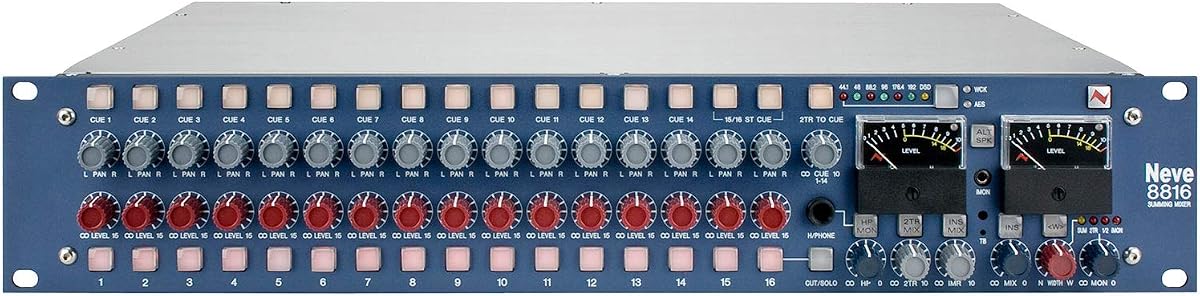
The Neve 8816 is a legendary summing mixer known for its warm tonal character. It allows engineers to combine stems with the richness of analog circuitry.
We may earn a commission when you buy through this link, at no additional cost to you.
Its 16-channel architecture supports complex sessions. Transformer-balanced paths ensure signal integrity. Monitoring sections provide flexibility for mastering engineers.
While expensive, the sonic benefits justify the investment. It lacks digital integration but excels at pure analog summing tasks.
Ideal for high-end studios wanting classic tone. This unit delivers the depth and punch expected from Neve heritage gear.
The 8816 imparts a signature warmth that thickens mixes without masking detail.
Multiple outputs allow easy switching between speakers and headphones for critical listening.
We may earn a commission when you buy through this link, at no additional cost to you.
This Radial unit offers basic summing for budget-conscious users. It combines two inputs into one mono output reliably.
We may earn a commission when you buy through this link, at no additional cost to you.
Passive design means no power is needed. This reduces noise and potential failure points. It fits easily into small setups.
Channel count is limited for large sessions. Best for stereo stems or simple signal routing needs.
A solid choice for beginners or backup roles. It delivers clean signal combination without cost or complexity.
No power supply or internal circuitry means zero noise floor contribution.
Perfect for those starting their analog journey without significant financial commitment.
We may earn a commission when you buy through this link, at no additional cost to you.
The 5059 brings Neve quality in a satellite format. It handles 16 channels with rich harmonic generation.
We may earn a commission when you buy through this link, at no additional cost to you.
Shelford edition styling matches modern consoles well. It serves as a dedicated summing stage for hybrid studios.
Budget and space are considerations. It requires careful routing to maximize its 16-channel capacity.
Suitable for pros needing that specific Neve glue. It offers distinct character compared to generic summing boxes.
Designed to integrate seamlessly with larger consoles or hybrid signal chains.
Adds warmth and depth similar to full console summing in a smaller footprint.
We may earn a commission when you buy through this link, at no additional cost to you.
Headliner R4 offers DJ-centric analog control. It includes high pass and low pass filters for shaping sound.
We may earn a commission when you buy through this link, at no additional cost to you.
Rotary knobs allow smooth transitions between tracks. It supports turntables and media players with multiple inputs.
Not ideal for multi-track recording. Best for live mixing and performance scenarios where tactile control is key.
Perfect for DJs wanting classic analog feel. Its filter section provides distinct sonic shaping options.
Frequency and resonance knobs let you sculpt sounds for dynamic transitions.
Volume knobs offer linear response preferred by club DJs.
We may earn a commission when you buy through this link, at no additional cost to you.
The Mackie Onyx combines analog mixing with USB recording. It allows 16-channel input with multi-track output.
We may earn a commission when you buy through this link, at no additional cost to you.
Onyx preamps provide clean gain for mics. Bluetooth streaming lets you bring music easily into the session.
Some may prefer pure analog routing. But this offers convenience for hybrid home studios.
Great for musicians recording live bands. It balances analog warmth with modern digital recording needs.
Records every channel separately for post-production flexibility.
Wireless audio streaming simplifies playback and monitoring during sessions.
We may earn a commission when you buy through this link, at no additional cost to you.
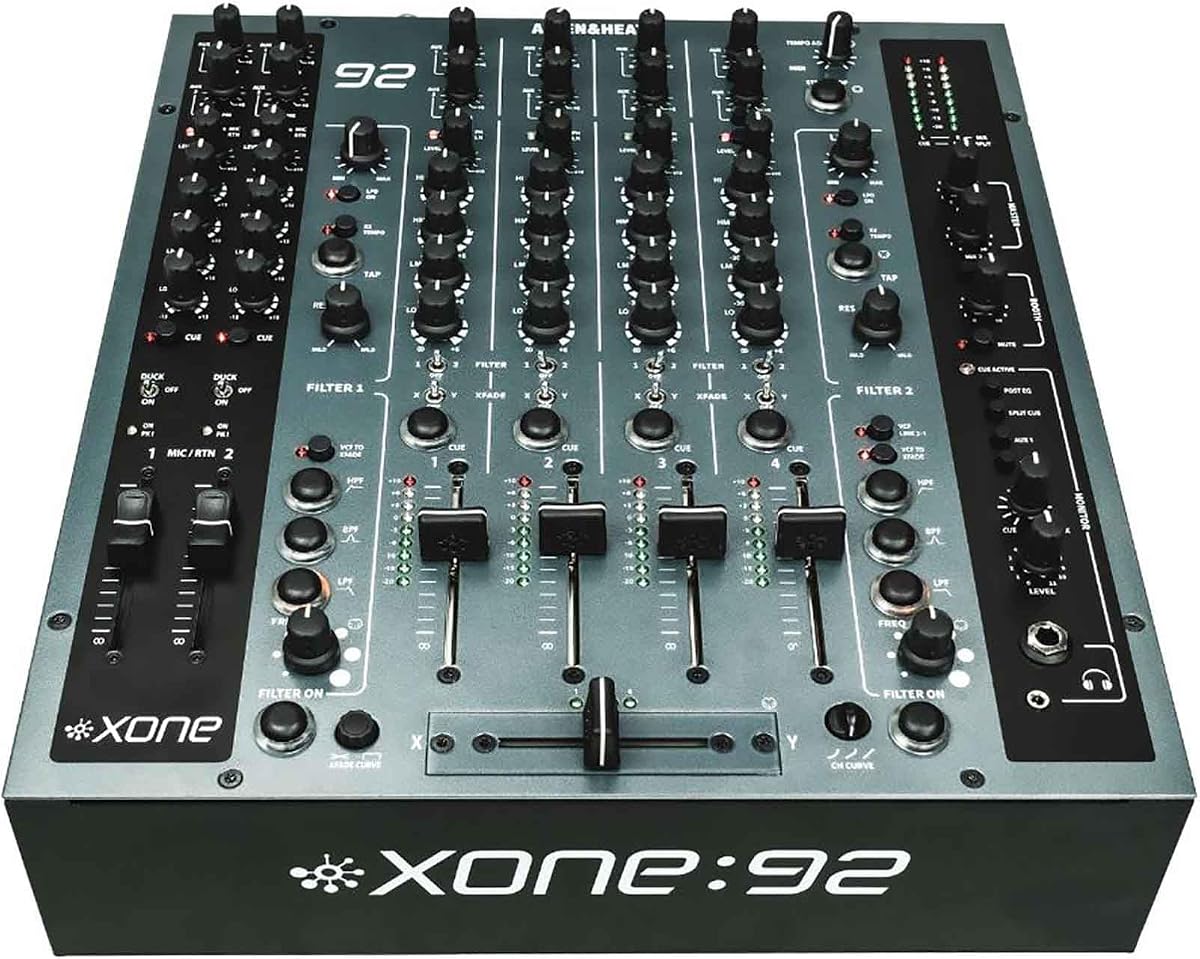
The Xone:92 Mk2 features VCF filters for sound shaping. It has 4 channels for mixing multiple sources.
We may earn a commission when you buy through this link, at no additional cost to you.
Send return integration supports external FX. It offers detailed control over frequency bands during mixes.
Limited channel count restricts larger sessions. Best suited for performance and live DJ environments.
Ideal for DJs wanting analog depth. It delivers clean signal paths and distinct filter character.
Multimode filters provide deep tonal control for creative mixing.
Direct signal paths maintain high fidelity and warmth.
We may earn a commission when you buy through this link, at no additional cost to you.
The Xone:43 offers a compact VCF system. It provides a booth output for performance flexibility.
We may earn a commission when you buy through this link, at no additional cost to you.
Individual dry wet control aids FX integration. Innofader compatibility allows custom crossfader choices.
Channel count limits studio versatility. But it excels as a portable live unit.
Perfect for DJs needing portability. It delivers high performance in a smaller package.
Per channel control over FX wet/dry mix enhances creativity.
Smaller footprint suits mobile DJs and smaller booths.
We may earn a commission when you buy through this link, at no additional cost to you.
The 1202VLZ4 delivers clean analog mixing for home studios. It includes 12 channels for multiple inputs.
We may earn a commission when you buy through this link, at no additional cost to you.
Onyx preamps ensure low noise recording. It has a simple layout easy for beginners to use.
Routing is less flexible than pro units. But it covers essential mixing needs effectively.
Best for hobbyists and live sound. It offers reliable performance at a budget-friendly price.
Legendary design provides clear gain for vocals and instruments.
Small footprint saves space on desktops or small racks.
We may earn a commission when you buy through this link, at no additional cost to you.
The BiG SiX combines console sound with USB interface. It allows 18-input summing for full stereo mixes.
We may earn a commission when you buy through this link, at no additional cost to you.
SuperAnalogue pres and dynamics provide professional color. Master bus compressor adds final polish.
Cost and size limit accessibility. But it delivers studio quality for serious engineers.
Ideal for home studios wanting full console feel. It bridges analog warmth with digital workflow.
Industry-standard sound that rivals large-format mixing consoles.
Built-in compression glues your mix before digital conversion.
We may earn a commission when you buy through this link, at no additional cost to you.
The MG10 offers 10 inputs for small setups. It includes D-PRE preamps for clean signal capture.
We may earn a commission when you buy through this link, at no additional cost to you.
1-knob compressors simplify dynamic control. It is rugged with a metal chassis for durability.
Lacks USB or digital integration. But it excels for portable live sound needs.
Best for small events or home projects. It provides Yamaha quality at an affordable entry price.
Simple compression controls let you control dynamics quickly.
Impact-resistant design ensures longevity on the road.
We may earn a commission when you buy through this link, at no additional cost to you.
Selecting an analog summing mixer depends on your channel needs, budget, and signal flow requirements. Evaluate each factor carefully to match the unit to your studio or stage.
Channel count determines how many inputs you can sum into stereo. Larger studios need 16 channels for multi-track stems. Smaller projects may only need 2 or 4.
Choose a channel count that matches your typical session size.
Different brands impart unique tonal qualities. Neve units offer warm saturation while SSL provides clarity. Some models are passive and transparent.
Select a unit that matches the sound you want in your mixes.
Good monitoring sections allow flexible listening. Look for multiple speaker outputs and headphone controls. This helps during mastering and critical listening.
Prioritize units with comprehensive monitoring if you mix in the room.
Ensure inputs match your sources. XLR and 1/4 inch jacks are standard. Some units add USB for digital integration.
Check connector types to avoid needing extra adapters in your chain.
Metal chassis and quality knobs ensure longevity. Look for shielded transformers and robust construction. Passive mixers often have fewer failure points.
Invest in durable units if the mixer travels or stays in constant use.
Prices vary widely from entry-level to pro gear. Higher cost often brings better sound and features. Decide what you can afford without compromising core needs.
Balance cost with the essential features you require daily.
Some mixers add USB interfaces for digital recording. This allows a hybrid workflow between analog and DAW. Check specs for multi-track support if needed.
Hybrid units save space if you record directly to your computer.
Advanced routing allows sending signals to external effects. Look for send/return loops and separate outputs. This expands your processing options.
Choose flexible routing if you use external processors often.
Connect your DAW outputs to the mixer inputs using balanced cables. Ensure signal levels are set correctly on your interface before routing to the mixer.
Use headphones for monitoring while adjusting trim levels to avoid clipping. Listen for distortion and adjust channel faders accordingly for clean gain.
Store the unit in a dry environment to prevent corrosion. Dust knobs regularly and check cables for wear. Proper care ensures longevity and consistent sound quality.
An analog summing mixer combines multiple audio signals into a stereo mix. It uses analog circuitry to add warmth and depth to digital tracks.
You need one if you want classic analog tone. Digital plugins can't fully replicate the harmonic saturation of analog circuits.
Yes, send your DAW tracks to the mixer inputs. You can then bounce the summed stereo mix back into the DAW.
Passive mixers are simpler and noise-free. Active mixers offer gain and features but add power requirements.
16 channels suit most full album sessions. For simple stereo stems, 2 to 8 channels may suffice.
Set input trim carefully and monitor levels on VU meters. Avoid pushing channel faders too hard.
The Neve 8816 and SSL BiG SiX lead in sound quality for professionals. The Radial Mix 2:1 serves well for simple needs.
Prioritize channel count and connectivity based on your workflow. Ensure the sonic character matches your production goals.
Check current pricing and availability before purchase. Deals change regularly and inventory varies by region.