
Verifone VX520
3.5Editor score
EMV and NFC support
Dial and Ethernet options
Compact smart card reader
Discover the top card readers for vending machines in October 2026. This guide compares features, compatibility, and reliability to help operators choose the
Modern vending operators need reliable cashless payment solutions to meet customer expectations. Card readers for vending machines enable secure transactions via chip cards, contactless taps, and mobile wallets. Choosing the right device ensures smooth operations and maximizes revenue potential for your business.
We evaluated ten real products based on connectivity, security certifications, and protocol compatibility. Our comparison covers MDB and pulse interfaces, real-time telemetry capabilities, and durability standards. Each option brings unique strengths for different unattended retail environments and operational needs.
Each pick highlights key specifications, pros, cons, and ideal use cases. You will find detailed insights into activation processes, merchant account requirements, and integration steps. Please note that pricing and availability can change, so verify current details before purchasing.
3.5Editor score
3.8Editor score

4.0Editor score
This side-by-side comparison highlights the core specifications and capabilities of each card reader. Use it to quickly assess compatibility, connectivity options, and unique features before diving into detailed reviews.


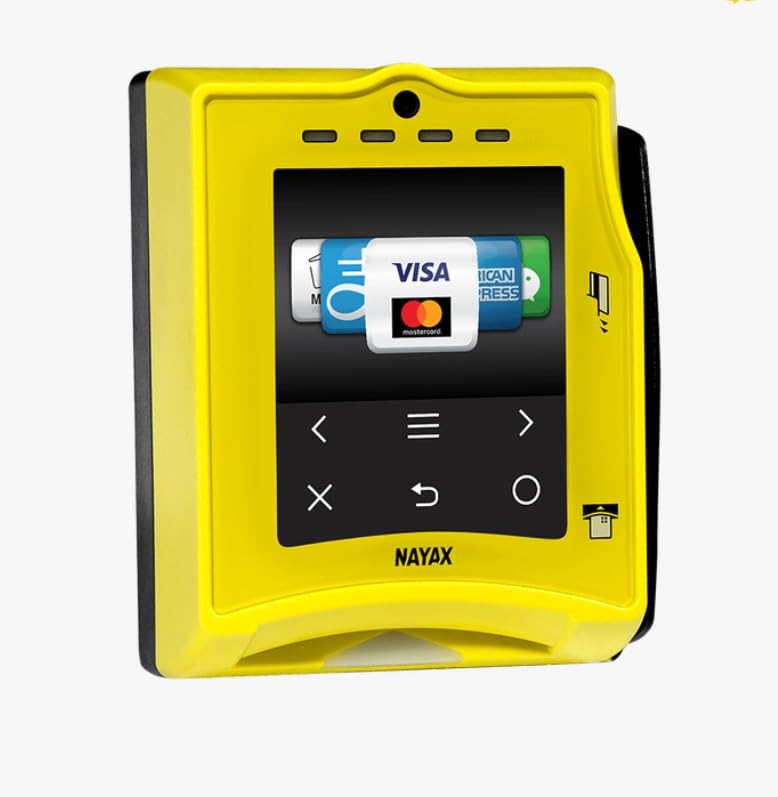
The VPOS Touch stands out as a complete cashless solution for unattended retail. It accepts EMV chip cards, NFC mobile wallets, and magnetic stripes seamlessly. With a 3.8 rating, it balances functionality and ease of use for modern operators.
We may earn a commission when you buy through this link, at no additional cost to you.
Its high-gain 4G LTE antenna eliminates the need for separate Wi-Fi or Ethernet setups. The Nayax management suite provides real-time telemetry on inventory and cash levels. This remote visibility helps operators restock efficiently and troubleshoot issues instantly.
The device supports MDB or Pulse protocols for compatibility with various machines. Security is ensured through PCI DSS compliance and EMV Level 1 and 2 certifications. While activation can take time, the long-term operational benefits are substantial.
Operators managing vending machines, car washes, or amusement games should consider this device. It simplifies payment acceptance and enhances data insights significantly. For those seeking a reliable cashless upgrade, the VPOS Touch is a top recommendation.
The high-gain 4G LTE antenna ensures stable connections without extra network hardware.
Instant mobile alerts and telemetry help operators monitor sales and inventory from anywhere.
We may earn a commission when you buy through this link, at no additional cost to you.
This version of the VPOS Touch emphasizes durability and user interaction. It features a 2.4-inch color LCD with voice prompts and multi-language support. The anti-vandal design includes Dragontrail glass and shock detection for tough environments.
We may earn a commission when you buy through this link, at no additional cost to you.
Operators can leverage marketing tools like loyalty programs and discounts directly through the reader. Real-time telemetry allows remote monitoring of sales and performance metrics. Plug-and-play installation simplifies the initial setup process significantly.
The IP55 rating protects against dust and water, suitable for outdoor or high-traffic areas. While it offers extensive customization, the activation process may require patience. The added features justify the premium positioning for large fleets.
Ideal for arcade or high-volume vending setups needing robust interaction. The combination of security, durability, and marketing features makes it a strong choice. Consider this if customer engagement is a priority for your business.
Dragontrail glass and IP55 rating ensure the device withstands harsh physical conditions.
Loyalty programs and punch cards help drive repeat customer traffic directly.
We may earn a commission when you buy through this link, at no additional cost to you.
This generic card reader requires specific activation steps before becoming operational. Inside the box, a yellow instruction sheet guides users through the submission process. Activation can take up to ten business days after submission.
We may earn a commission when you buy through this link, at no additional cost to you.
The device focuses on enabling cashless payments for vending or unattended machines. While specific features are less detailed, it aligns with standard industry protocols for reliability. Users should plan ahead for the activation timeline.
It serves as a functional alternative when specific brand features are not critical. The activation process ensures compliance and security standards are met before use. This approach protects both operators and customers from unauthorized usage.
Buyers needing a straightforward cashless enablement without complex features may choose this. Patience during setup is necessary for full functionality. Always follow the included instructions carefully to avoid delays.
Follow the yellow instruction sheet steps to begin the ten-day activation timeline.
Pre-activation ensures the device meets security standards before first use.
We may earn a commission when you buy through this link, at no additional cost to you.
The Symcode Reader supports magnetic stripe, chip, and contactless NFC reading via USB. It features three reading modes including two-way swipe and left-side contactless options. The device works as a keyboard emulator or HID mode for software integration.
We may earn a commission when you buy through this link, at no additional cost to you.
While it reads three tracks and SLE4442 chips, it does not write to cards. This limitation suits membership systems or check-in setups rather than card re-issuance. The green light indicator confirms successful connections and swipes.
Support for CPU chip cards exists but requires APDU commands for deep development. This makes it more suitable for developers or specialized POS integrations. The low price makes it accessible for budget-conscious projects.
Ideal for internal membership systems or kiosks needing card verification. Users requiring advanced encoding capabilities should look elsewhere. For basic reading tasks, it offers broad compatibility at an affordable price.
Choose between active keyboard emulator or passive software read modes easily.
Supports SLE4442 and CPU chips for diverse legacy and modern card types.
We may earn a commission when you buy through this link, at no additional cost to you.
The Verifone VX520 offers reliable EMV and NFC contactless payment acceptance. It supports dial and Ethernet connections, making it versatile for different network setups. Apple Pay compatibility ensures mobile users can pay easily.
We may earn a commission when you buy through this link, at no additional cost to you.
As a smart card reader, it meets compliance standards for secure transactions. The compact design fits into existing POS or vending integrations without bulk. Its reputation adds trust for operators managing multiple payment terminals.
While it lacks a large screen, it focuses on core payment processing reliability. The price point makes it an attractive entry-level option for cashless adoption. Ensure your backend systems support its communication protocols.
Best for operations needing a trusted, cost-effective payment processor. Its connectivity options provide flexibility for various locations. Consider this if budget constraints are high but security standards must be met.
Dial and Ethernet ports allow adaptation to existing network infrastructures easily.
Apple Pay and NFC support modernizes the transaction experience for customers.
We may earn a commission when you buy through this link, at no additional cost to you.
This reader supports reading magnetic stripes and writing to NFC and PSAM cards. It includes an SDK and software CD to aid in integration with cashier registers. Mifare RFID support extends its utility for access or membership systems.
We may earn a commission when you buy through this link, at no additional cost to you.
The package includes a testing card and user manual to simplify setup. Users should check the CD files carefully for operating instructions. It fits KIOSK machines needing read and write capabilities for cards.
Magnetic reading covers all three tracks, but writing is limited to specific chips. This distinction is vital for applications requiring data modification. The included tools reduce friction during initial deployment phases.
Operators needing card data writing or access control features will value this. The comprehensive package supports diverse use cases beyond simple swipes. For developers, the SDK provides necessary integration hooks.
Includes SDK, software CD, user manual, and testing card out of the box.
Write capabilities for PSAM cards enable secure transaction logging and management.
We may earn a commission when you buy through this link, at no additional cost to you.
The E-seek M-260 is designed for identity authentication and secure access. It reads magnetic stripe info and 2D barcodes from government issued IDs. The 4.0 rating reflects its reliability in specialized environments like law enforcement or POS ID checks.
We may earn a commission when you buy through this link, at no additional cost to you.
A bottom mounted interface connector makes it ideal for kiosk applications where side access is limited. The included six-foot USB smart cable provides flexibility in host placement. Data transfers via USB or RS-232 depending on system needs.
While specialized, it offers robust performance for verification tasks. The dual access points ensure adaptability in tight or custom installations. Users seeking ID validation rather than general payment processing will find it valuable.
Best for businesses requiring age verification or secure identity checks. Its design prioritizes durability and connection flexibility. Consider this if identity authentication is a core operational requirement.
Scans magstripe and 2D barcodes on government IDs for secure authentication.
Bottom interface connector optimizes placement in confined kiosk environments.
We may earn a commission when you buy through this link, at no additional cost to you.
The VP3350 supports contactless payments with PCI P2PE compliance for security. A new merchant account with SwyftPAY is required before the device ships. This ensures immediate connectivity upon receipt without extra backend steps.
We may earn a commission when you buy through this link, at no additional cost to you.
Its compact design is mobile-friendly and includes a stand for counter use. It supports EMV contact, contactless, and magstripe transactions. Surcharge compatibility allows flexibility in pricing models for businesses.
Integration with CardPointe Virtual Terminal and API makes it adaptable for online or offline sales. The setup dependency on account approval is a key planning consideration. Ensure your account is ready to avoid shipping delays.
Suitable for mobile vendors or counters needing a secure all-in-one reader. The surcharge support helps offset processing fees effectively. Prioritize account setup to streamline the transition to cashless payments.
New merchant account approval with SwyftPAY is required before shipment occurs.
Surcharge compatibility helps operators manage transaction costs transparently.
We may earn a commission when you buy through this link, at no additional cost to you.
This reader supports multi-factor authentication with card and PIN verification. Its open architecture allows flexible integration with various software systems. Mobile NFC capabilities ensure customers can pay using smartphones effortlessly.
We may earn a commission when you buy through this link, at no additional cost to you.
Networked real-time data transmission keeps operators updated instantly on transactions. This is crucial for remote monitoring in unattended environments. The design prioritizes security and connectivity for high-value or controlled access scenarios.
While details are sparse, the feature set suggests enterprise-grade utility. It fits applications requiring strict security protocols beyond basic swipes. Ensure your backend supports open architecture for seamless data flow.
Ideal for environments needing PIN verification or secure access. Real-time networking adds significant operational value for fleet management. Consider this if advanced security and data visibility are priorities.
Card and PIN support adds an extra layer of transaction verification.
Real-time data transmission enables instant inventory and sales updates.
We may earn a commission when you buy through this link, at no additional cost to you.
The X6BT is a Bluetooth enabled USB powered card reader and writer. It works with iOS and Android mobile devices via dedicated apps. Support extends to Windows, MacOS, and Linux operating systems for broad utility.
We may earn a commission when you buy through this link, at no additional cost to you.
It reads and writes all three tracks and adheres to ISO 7811 standards. Free software options make it accessible for various development environments. This flexibility suits membership systems or card issuance tasks.
While powerful, deep development may require specific command knowledge for encoding. Ensure your mobile app or software supports the necessary HID or emulation modes. The wireless aspect simplifies deployment in temporary setups.
Best for mobile operations or membership drives needing card issuance. Its broad OS support ensures compatibility with most existing systems. Consider this for versatile encoding needs without wired constraints.
Connects via Bluetooth to iOS and Android devices for flexible on-site encoding.
ISO 7811 compliance ensures reliable reading and writing across card types.
We may earn a commission when you buy through this link, at no additional cost to you.
Selecting the right card reader depends on connectivity, protocol compatibility, and security standards. This guide covers key factors to evaluate before making a purchase.
Most modern readers support cellular 4G LTE or Wi-Fi for remote data. Wired options like Ethernet or USB suit fixed locations with reliable networks. Verify your site's network capabilities to choose the right connection method.
Prioritize cellular connectivity if Wi-Fi is unavailable or unstable.
Ensure the reader supports MDB or Pulse protocols to match your machine's controller. Mismatched protocols require additional interface converters or custom wiring. Check the manufacturer's compatibility list for your specific model.
Always confirm protocol support before purchasing to avoid hardware conflicts.
Look for PCI DSS compliance and EMV Level 1 or 2 certifications. These ensure card data is encrypted and transactions are secure. Non-compliant devices may expose your business to liability risks.
Choose certified devices to protect both customer data and your operation.
Many cashless readers require merchant account activation before use. This process can take several business days depending on the provider. Plan ahead and submit necessary documentation to avoid downtime.
Factor activation time into your rollout schedule.
Vending environments often expose hardware to dust, moisture, and physical impact. Look for IP55 ratings or anti-vandal glass for outdoor or high-traffic locations. A robust build reduces maintenance costs and service interruptions.
Select ruggedized designs for outdoor or high-traffic installations.
Real-time telemetry helps track sales, cash levels, and inventory remotely. Some systems offer mobile alerts for errors or low stock. This data is critical for optimizing restocking routes and troubleshooting issues quickly.
Prioritize models with remote monitoring capabilities for better fleet management.
Ensure the reader accepts EMV chips, contactless NFC, and mobile wallets like Apple Pay. Magnetic stripe support is still useful for older cards. Comprehensive acceptance reduces failed transactions and customer frustration.
Opt for multi-method support to cover all customer preferences.
Some devices come bundled with specific payment processors that need new accounts. Others allow flexible integration with existing gateways. Review terms and fees to ensure they align with your business needs.
Confirm merchant account flexibility to match your existing payment setup.
First, complete any required activation steps by submitting documentation through the provider portal. This ensures secure communication and payment processing capabilities are enabled before installation.
Next, mount the reader securely on the vending machine interface panel. Connect communication cables such as MDB or Ethernet carefully to avoid pin damage. Test the connection to ensure data flows to the central dashboard.
Regularly clean the screen and card slots with a soft dry cloth to prevent debris buildup. Check firmware updates periodically to maintain security compliance and feature access. Avoid exposing outdoor units to direct rain or extreme temperature fluctuations.
Most cashless solutions require merchant account activation to process payments securely. Some devices are sold separately allowing you to connect existing accounts. Always confirm specific requirements with the product provider before purchase.
MDB stands for Multi-Drop Bus and is a standard interface for vending machines. It allows communication between controllers and peripherals like cashless readers. Ensure your machine supports MDB to integrate these devices seamlessly.
Activation typically takes up to ten business days depending on the provider. This period allows verification of merchant information and secure provisioning. Plan your installation timeline accordingly to avoid service gaps.
Most modern readers support NFC for Apple Pay Google Pay and Samsung Pay. Contactless tapping is becoming standard for user convenience. Check device specs to confirm mobile wallet compatibility before buying.
Many devices store transactions locally and upload them when connectivity returns. Offline modes may limit real-time telemetry but ensure payment acceptance continues. Cellular backup is ideal to minimize downtime during outages.
Some models feature IP55 ratings for dust and water resistance suitable for semi-outdoor use. Fully waterproof units are less common and require specific outdoor ratings. Review durability specs if exposure to moisture is expected.
Connectivity depends on the machine's interface often using MDB or USB cables. Most units include necessary harnesses in the package. Verify interface requirements in the product description before installation.
Yes, telemetry platforms provide real-time sales and inventory data online. Mobile alerts help managers track performance without physical visits. This remote access is standard in most modern cashless solutions.
The top picks like the VPOS Touch and Verifone VX520 offer strong balance between features and cost. Select based on connectivity needs and protocol compatibility for your existing fleet.
Prioritize security certifications and real-time telemetry to maximize operational efficiency and safety. These factors reduce long-term risks and improve customer satisfaction across your locations.
Remember to verify current prices and activation timelines before purchasing. Requirements vary by provider and region. Keeping these details up to date ensures smooth deployment and payment processing.