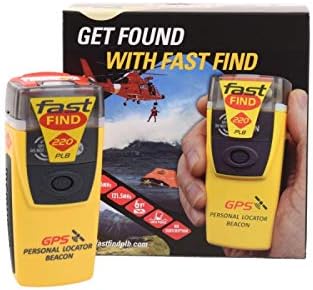
McMurdo FastFind 220
4.5Editor score
US programmed registration
Simple one-button activation
Proven global reliability
This guide compares the best locator beacon for hiking the PCT to help you choose reliable satellite gear for safety on long wilderness trails.
Embarking on the Pacific Crest Trail requires careful planning and reliable safety gear. A personal locator beacon ensures you can summon help if stranded deep in the wilderness where cell service fails.
We evaluated ten top-rated devices based on satellite coverage, battery life, ease of use, and durability. Our analysis highlights the strengths and weaknesses of each model for serious backpackers.
Each pick details key features, pros, and cons to help you decide. Prices and availability change frequently, so verify current details before purchasing to ensure you get the right gear.
4.5Editor score

4.8Editor score

4.6Editor score
The following table provides a side-by-side comparison of all ten products. Each entry highlights essential specifications to help you quickly identify the device that matches your specific hiking needs.


The ACR ResQLink View RLS PLB stands out as the top choice for serious hikers. With a 4.8 rating, it offers advanced Return Link Service to confirm rescuers received your distress signal.
We may earn a commission when you buy through this link, at no additional cost to you.
Its digital display and infrared strobe ensure visibility during emergencies. The device uses GPS, Galileo, and MEOSAR constellations for accurate positioning. This global coverage is critical for the PCT.
While it lacks two-way messaging, the confirmation feature provides peace of mind. The five-year battery life means less maintenance. It is lightweight and buoyant, fitting well in outdoor gear.
If you prioritize reliable emergency signaling over text messaging, this beacon is ideal. It balances cost and performance effectively. We recommend it for solo hikers seeking maximum safety.
This feature alerts you when rescue teams receive your SOS, reducing uncertainty in critical moments.
Support for multiple constellations ensures your signal reaches rescue agencies anywhere along the Pacific Crest Trail.
We may earn a commission when you buy through this link, at no additional cost to you.
The McMurdo FastFind 220 offers exceptional value for budget-conscious hikers. It functions globally but contacts US authorities if registered domestically. Its simple interface reduces error during emergencies.
We may earn a commission when you buy through this link, at no additional cost to you.
Activation involves deploying the antenna and pressing the ON button. This simplicity is vital when you are stressed or injured. The beacon is built to withstand extreme conditions.
However, you must register it for optimal rescue response. False alerts are discouraged and can lead to penalties. The lack of messaging means it is strictly for SOS use.
For those needing a basic, reliable emergency signal without monthly fees, this is a strong option. It ensures you are not completely alone on the trail.
The one-step activation process ensures you can trigger a distress signal quickly when seconds count.
Despite US programming, the signal works worldwide, making it versatile for international adventures too.
We may earn a commission when you buy through this link, at no additional cost to you.
The Garmin inReach Mini 2 offers more than just safety; it provides connectivity. It uses the Iridium network for global coverage. Two-way messaging allows you to update loved ones anytime.
We may earn a commission when you buy through this link, at no additional cost to you.
Features like TracBack routing help you return to your starting point if lost. The digital compass works even when stationary. Syncing with the Explore app aids trip planning.
A subscription is required for satellite access, which adds to the cost. It is also slightly heavier than a dedicated PLB. However, the communication benefits outweigh these minor drawbacks.
If you want to stay connected and navigate safely, this device is worth the investment. It transforms your hike by adding a layer of digital support.
This feature allows you to confirm safety or request specific help, reducing panic during emergencies.
TracBack and digital compass features guide you back, making it a dual-purpose tool for hiking.
We may earn a commission when you buy through this link, at no additional cost to you.
The ACR ResQLink View PLB425 is a rugged beacon designed for various outdoor activities. It sends GPS positions directly to rescue forces via COSPAS-SARSAT satellites. This ensures rapid response.
We may earn a commission when you buy through this link, at no additional cost to you.
Its buoyant design makes it ideal for hikers near water or kayakers. The LED and infrared strobes help rescuers spot you visually. You can send test messages via an optional subscription.
While it lacks standard two-way messaging, it remains a reliable SOS tool. The lack of mandatory subscription lowers long-term costs. It is built to withstand harsh environmental conditions.
Consider this device if you prioritize simplicity and low maintenance. It provides peace of mind with essential safety features. It is a trusted choice for outdoor enthusiasts.
The combination of LED and infrared lights ensures you can be seen day or night by rescue teams.
If you fall in water, the beacon floats, ensuring your signal remains active and recoverable.
We may earn a commission when you buy through this link, at no additional cost to you.
The ZOLEO Satellite Communicator connects via Iridium, cellular, or Wi-Fi networks. This flexibility reduces costs by switching to available networks. It allows standard SMS and email transmission.
We may earn a commission when you buy through this link, at no additional cost to you.
With an IP68 rating, it is highly durable for rugged trails. The battery lasts over 200 hours, perfect for long hikes. Check-ins can be sent without a message body.
It offers a travel risk management add-on for medical assistance. While it requires a service plan, the monthly costs are competitive. It keeps you connected more effectively than a basic PLB.
If you need reliable texting and low costs, ZOLEO is a strong contender. It bridges the gap between cell service and satellite communication. It is great for group safety too.
Switching to the lowest-cost network saves money while keeping you connected during your hike.
Sending texts and emails directly to loved ones provides reassurance without needing a phone signal.
We may earn a commission when you buy through this link, at no additional cost to you.
The Ocean Signal rescueME PLB1 is designed for those who value portability. Weighing only 4 ounces, it fits easily in any backpack. Its one-handed operation is intuitive in emergencies.
We may earn a commission when you buy through this link, at no additional cost to you.
It features a 66-channel GPS receiver for precise location tracking. The high-intensity strobe light ensures visibility. Waterproofing up to 49 feet adds durability against rain and splashes.
The battery lasts seven years, requiring minimal upkeep. While it does not allow two-way messaging, it is a robust SOS device. Government satellites support it without extra fees.
Choose this if weight is a major concern on your hike. It balances compact design with high performance. It is a trusted tool for minimalist hikers.
Its small size ensures it does not add bulk to your gear, making it ideal for ultralight hiking.
The design allows quick activation even when wearing gloves or in difficult weather conditions.
We may earn a commission when you buy through this link, at no additional cost to you.
This bundle includes the inReach Mini 2 with essential accessories like cables and adapters. It simplifies setup for immediate use. The device is built to MIL-STD-810 ruggedness standards.
We may earn a commission when you buy through this link, at no additional cost to you.
It offers interactive SOS alerts with 24/7 coordination. TracBack routing helps you navigate safely. You can share your location via Garmin MapShare easily. The IPX7 rating handles water well.
Battery life extends up to 30 days with longer intervals. However, the need for a plan adds complexity. The bundle ensures you have everything needed to stay connected.
For hikers wanting a full kit without buying parts separately, this bundle is practical. It provides reliable safety and communication tools. Ensure you are comfortable with subscription plans.
Built to military standards, the device withstands drops, vibration, and harsh outdoor conditions.
Sharing your location on social media or with family adds a social dimension to solo hiking.
We may earn a commission when you buy through this link, at no additional cost to you.
The renewed Garmin inReach Mini offers the same core features at a lower price. It is tested for quality before sale. This allows access to two-way messaging via the Iridium network.
We may earn a commission when you buy through this link, at no additional cost to you.
You can download maps and imagery through the Earthmate app. Weather updates help you prepare for changing conditions. It is a great choice for beginners wanting communication.
Note that renewed items may not have a full warranty. The subscription requirement is still necessary for satellite access. However, the savings are significant for those on a budget.
If cost is a barrier, this device provides a valid entry point. It ensures you stay connected without spending a fortune. Just verify the condition upon arrival.
Getting a premium communicator at a reduced price allows more people to hike safely.
Downloading maps to your phone and pairing it with the device enhances navigation capabilities.
We may earn a commission when you buy through this link, at no additional cost to you.
The Motorola Defy Satellite Link attaches to your smartphone to enable satellite messaging. This means you can use your existing device without carrying extra hardware. It supports Android and iOS.
We may earn a commission when you buy through this link, at no additional cost to you.
A dedicated check-in button lets you send your location instantly. Unlimited SOS alerts are included with the service plan. The device is rugged enough for outdoor environments.
However, it depends on your phone's battery and durability. Some users may find the setup complex. It serves well for those who want to minimize gear weight.
Choose this if you want a low-cost add-on to your current phone. It brings satellite connectivity without a dedicated communicator. Verify your phone compatibility before buying.
Using your current phone reduces the number of devices you need to carry on long hikes.
The check-in button and SOS alerts ensure you can communicate quickly in critical situations.
We may earn a commission when you buy through this link, at no additional cost to you.
The ACR Bivy Stick integrates with the Bivy app to offer offline maps and messaging. This connectivity helps you navigate without cell service. It includes dedicated phone and email addresses.
We may earn a commission when you buy through this link, at no additional cost to you.
GroupTrack allows up to 12 people to share locations. This is excellent for team hikes or family trips. GPS check-ins and live tracking keep everyone informed easily.
Monthly plans vary based on data and messaging needs. The app is central to its functionality, which may limit offline use. However, the features are extensive for a small device.
If you value group communication and navigation tools, this device stands out. It turns your smartphone into a robust satellite tool. Ensure you have a suitable plan.
Tracking your group in real time ensures no one is left behind during difficult terrain.
Downloadable maps allow you to explore remote areas confidently without internet access.
We may earn a commission when you buy through this link, at no additional cost to you.
Choosing the right device depends on your need for two-way messaging versus emergency signaling. Consider battery life, weight, and cost before making a decision.
Personal locator beacons use 406 MHz satellites for emergency SOS without subscription. Communicators like Garmin or ZOLEO use Iridium for two-way messaging but require a plan.
If you only need SOS, choose a PLB. If you need updates and navigation, choose a communicator.
PLBs often have five to seven-year lifespans, while communicators offer days of active use. Look at operational hours versus standby time.
Select a battery life that matches your longest planned trip duration.
For long hikes, weight matters significantly. PLBs are generally lighter and smaller than communicators.
Choose compact models to reduce pack load without sacrificing safety.
PLBs have no monthly fees, whereas communicators require subscriptions. Factor in the total cost of ownership over several years.
Balance the upfront device price with ongoing service plans.
Look for IP ratings for water resistance and MIL-STD ruggedness. The Pacific Crest Trail presents wet and rough conditions.
Ensure the device can withstand rain and accidental drops.
Global coverage is vital. Ensure the device works with global satellite constellations to avoid dead zones on the trail.
Verify that your chosen model supports the network in your region.
In emergencies, simple operation is key. Look for intuitive buttons or one-handed activation options.
Practice using the device before your trip to build confidence.
Some devices pair with smartphones for maps and messaging. If you prefer a screen interface, check compatibility.
Ensure you are comfortable managing apps while hiking.
Register your device with the relevant authority before leaving. This provides emergency services with your contact details.
Test the device regularly using the self-test mode if available. Ensure it remains functional throughout the season.
Store the beacon in an accessible but protected location. If it gets wet, dry it immediately to prevent corrosion.
Personal locator beacons generally do not require a subscription. However, satellite communicators like Garmin or ZOLEO do require monthly plans for messaging. Check the specific model requirements before buying.
Modern devices use GPS and Galileo constellations for high accuracy. Most provide precise coordinates within a few meters, which is sufficient for rescue operations.
Yes, most PLBs function globally. However, registration may be country-specific. Ensure you register correctly for the region you plan to visit.
Never activate an SOS distress signal for testing. Use the self-test mode provided by the manufacturer. False alerts waste resources and endanger others.
If triggered, contact local rescue agencies immediately to cancel. Explain it was accidental. This helps prevent unnecessary deployments and saves resources.
Most PLBs have a battery life of five to seven years in standby mode. If activated, they can operate for 24 to 48 hours continuously.
Some devices are buoyant or waterproof to specific depths. However, avoid submerging them unless necessary. Water resistance helps with rain but does not mean they are swim-proof.
For solo hikers, a PLB with Return Link Service offers peace of mind. Communicators allow two-way updates, which are also valuable for staying in touch.
The ACR ResQLink View RLS PLB, McMurdo FastFind 220, and Garmin inReach Mini 2 lead our list. Each offers distinct advantages for different hiking styles.
Prioritize devices that balance reliability with your communication needs. If you value connectivity, choose a communicator. If simplicity is key, a PLB is sufficient.
Prices and plans change often. Verify current offers and ensure the device fits your budget before making a final decision.