
Canon EF 75-300mm f/4-5.6 III Telephoto Zoom Lens
4.7Editor score
Affordable telephoto option
Lightweight design
Smooth zoom mechanism
This guide compares ten top camera lens for long distance wildlife options to help you capture sharp, detailed images of distant subjects in nature.
Capturing distant wildlife requires specialized optics that balance reach, clarity, and portability. A good telephoto lens brings elusive animals into focus while maintaining sharpness and color accuracy even in challenging light conditions.
We evaluated ten camera lenses based on optical performance, autofocus speed, stabilization, and build quality. Each product was selected for its ability to handle remote shooting scenarios where distance and detail matter most for photographers.
Every pick highlights key strengths and trade-offs to match different skill levels and budgets. Prices change frequently, so verify current availability and offers before making your final decision for your next wildlife photography adventure.
4.7Editor score
4.7Editor score
4.5Editor score
This side-by-side comparison details how each lens performs across key categories to help you choose the right tool for capturing wildlife from afar.



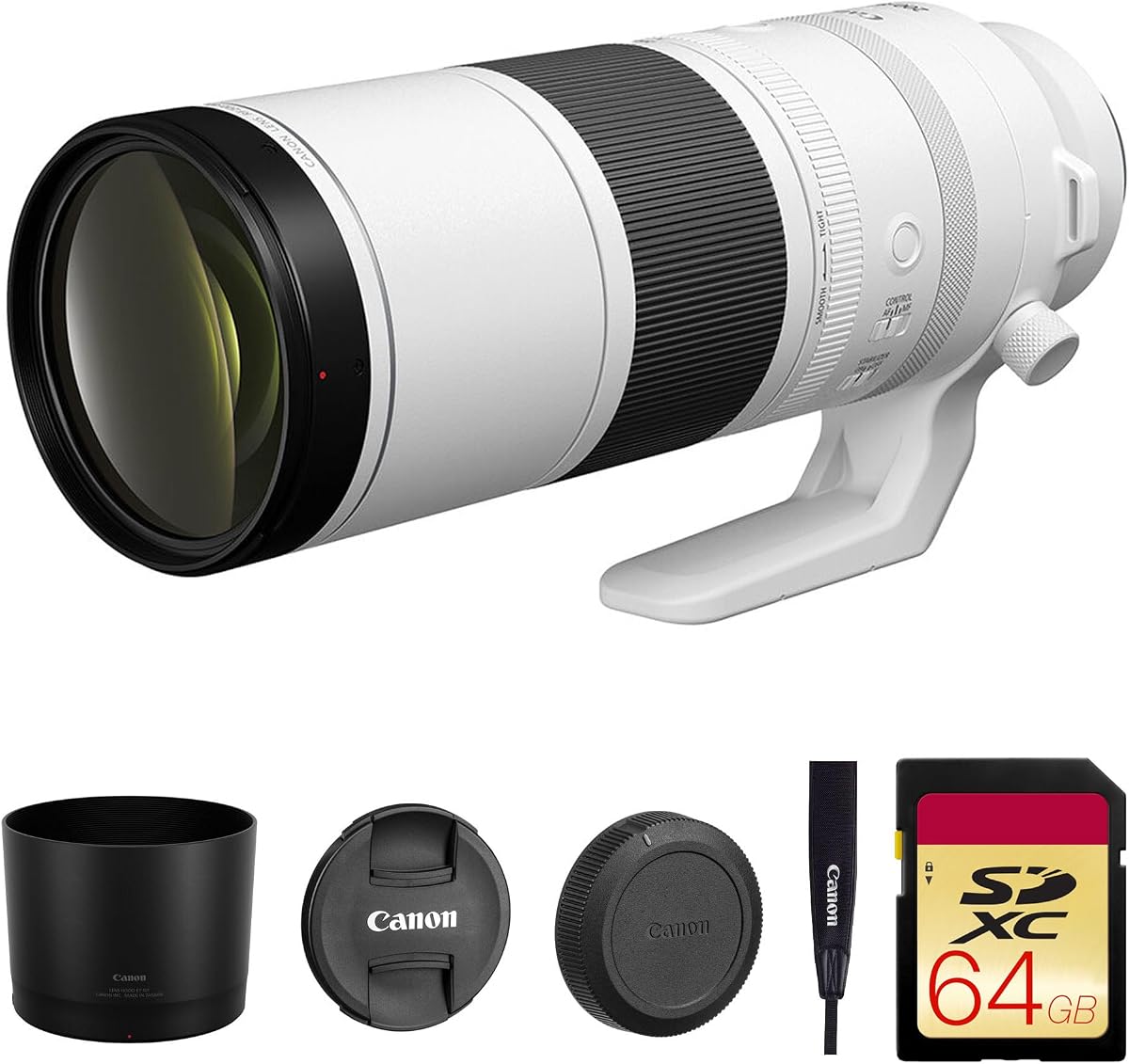
This Canon RF lens stands out as the top choice for wildlife photographers needing extreme reach without sacrificing portability. Rated highly for its performance, it delivers crisp images across a massive 200 to 800mm focal range.
We may earn a commission when you buy through this link, at no additional cost to you.
The built-in image stabilization ensures steady shots even at full zoom, while the fast USM autofocus locks onto moving subjects quickly. Its lightweight design makes it easier to carry on long hikes compared to traditional super-telephoto optics.
The variable aperture can be a trade-off in low light, requiring higher ISO settings or faster shutter speeds to maintain exposure. However, the optical quality and flexibility generally outweigh this limitation for daytime wildlife shooting.
Ideal for serious enthusiasts and professionals who need a single lens for diverse subjects from birds to mammals. Its combination of reach, stabilization, and handling makes it a definitive choice for long distance wildlife capture.
The 200 to 800mm range allows you to frame everything from distant birds to large mammals without changing lenses.
Internal image stabilization compensates for camera shake, enabling sharp shots even when shooting handheld at maximum reach.
We may earn a commission when you buy through this link, at no additional cost to you.
This lens sets a new standard as the world's first autofocus super-telephoto zoom reaching 800mm. It is built specifically for Canon's RF mount system, offering cutting-edge performance for mirrorless users.
We may earn a commission when you buy through this link, at no additional cost to you.
Its optical design leverages the RF mount to maintain sharpness and contrast throughout the zoom range. The compact and lightweight build allows for comfortable shooting sessions without the burden of heavy glass.
While it is a significant investment, the versatility and future-proofing with extenders make it a powerful tool. You might find the cost prohibitive if you are on a tight budget or use DSLRs.
Best suited for photographers upgrading to mirrorless who want maximum reach in a manageable package. It excels in sports and nature where speed and image quality are non-negotiable.
From 200mm to 800mm, this lens provides extensive coverage, reducing the need for multiple lenses during a shoot.
Compatibility with 1.4x and 2x extenders allows you to push reach further without losing autofocus functionality.
We may earn a commission when you buy through this link, at no additional cost to you.
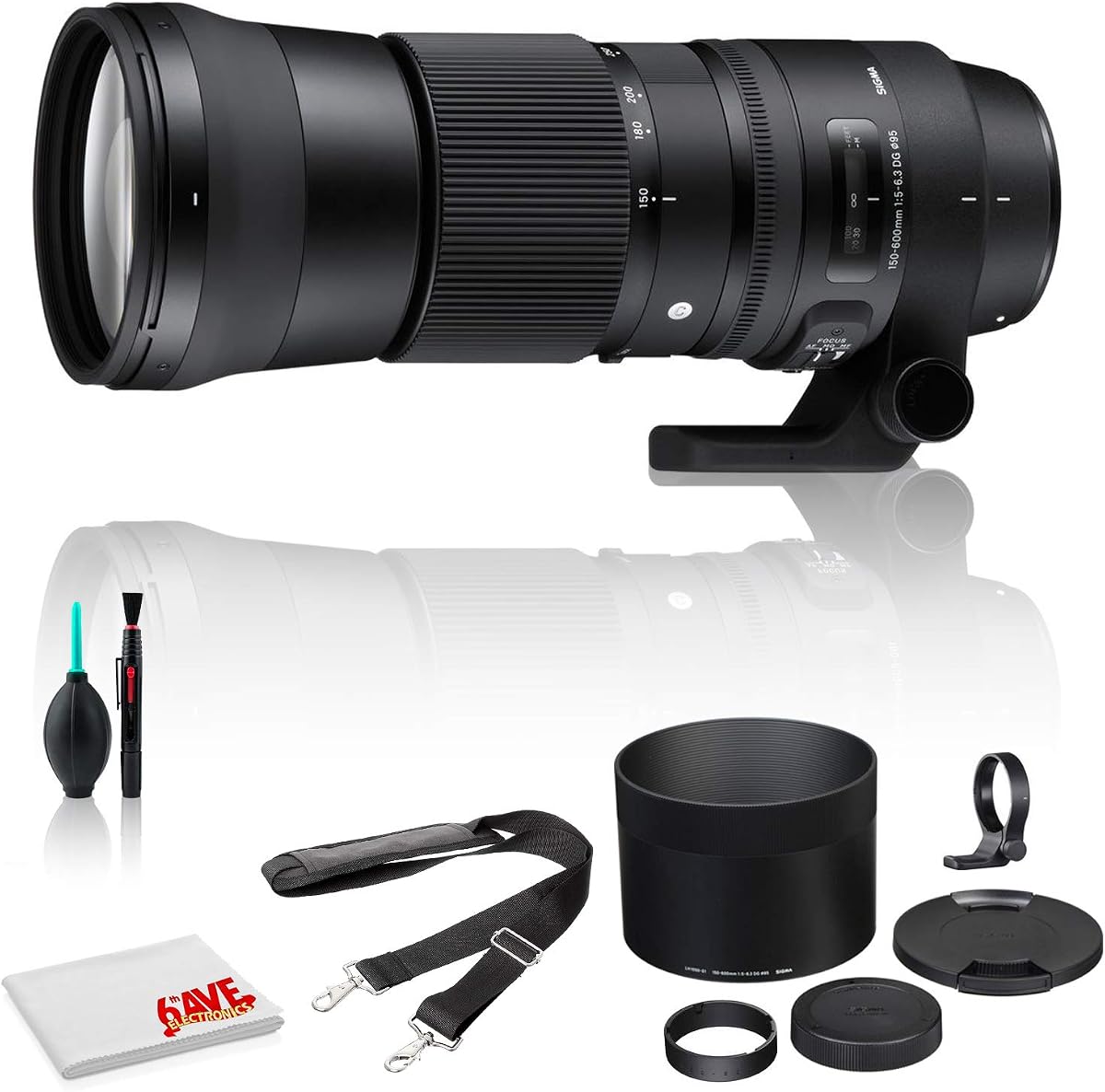
This Sigma lens is renowned for its robust build and exceptional optical clarity. It serves as a strong alternative for EF mount users needing a versatile super-telephoto range for wildlife photography.
We may earn a commission when you buy through this link, at no additional cost to you.
The inclusion of special low dispersion elements reduces aberrations, ensuring crisp images even at maximum aperture. The Hyper Sonic Motor provides quick and quiet autofocus, which is crucial for skittish wildlife subjects.
Its weight can be a challenge for long treks without a tripod, but the optical rewards are significant. The bundle with a cleaning kit adds value for maintaining the lens in field conditions.
Photographers who prioritize optical quality and build over lightweight convenience will appreciate this choice. It is a solid professional tool for those invested in the Canon EF ecosystem.
Special low dispersion glass minimizes color fringing, delivering cleaner edges and better contrast across the zoom range.
The Hyper Sonic Motor ensures rapid focus acquisition, helping you lock onto fast-moving animals in unpredictable environments.
We may earn a commission when you buy through this link, at no additional cost to you.
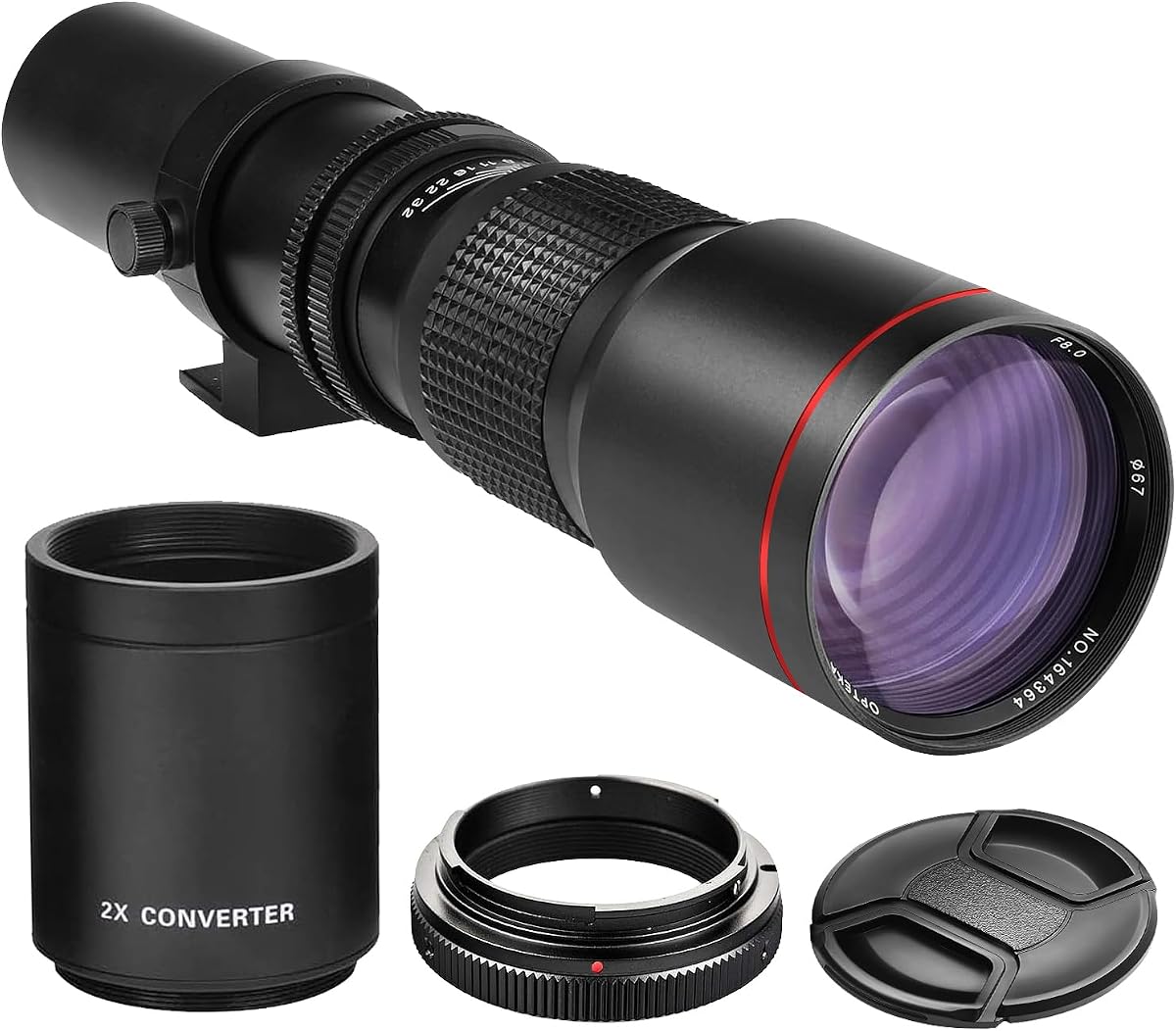
This manual telephoto lens offers extreme reach at a very accessible price. It is a unique option for hobbyists who want 1000mm reach without breaking the bank on autofocus lenses.
We may earn a commission when you buy through this link, at no additional cost to you.
The high index low dispersion glass ensures decent image quality, and the manual precision gives full creative control. It is built to withstand outdoor rigors, making it reliable for field use.
The lack of autofocus requires patience and steady hands, which limits its use for fast-moving subjects. However, for static or slow-moving wildlife, it delivers surprising sharpness for its cost.
Best for budget-conscious shooters who enjoy manual photography and don't mind the learning curve. It is a practical tool for distant landscapes or wildlife where speed is less critical.
Achieving 1000mm focal length at this price point is rare, making it an accessible entry for super-telephoto photography.
Manual focus and aperture allow you to fine-tune settings precisely, offering a traditional shooting experience.
We may earn a commission when you buy through this link, at no additional cost to you.
This L-series lens represents a professional standard for telephoto work. It combines advanced glass elements with a versatile zoom range suitable for wildlife sports and aviation photography.
We may earn a commission when you buy through this link, at no additional cost to you.
The optical construction minimizes aberrations, while the image stabilization helps maintain sharpness in lower light. The ring-type USM autofocus is quick and quiet, essential for not disturbing wildlife.
The premium cost and weight can be prohibitive for casual users. However, the image quality and reliability justify the investment for serious photographers requiring consistent performance.
Ideal for professionals or dedicated amateurs who need top-tier glass. It is a versatile workhorse that can handle various distances while maintaining excellent image quality throughout.
Fluorite and aspherical elements reduce aberrations, ensuring high contrast and sharpness across the entire zoom range.
Optical stabilization improves low-light performance and handheld sharpness, giving you more flexibility without a tripod.
We may earn a commission when you buy through this link, at no additional cost to you.
This lens pushes the boundaries of magnification at an affordable cost. It allows photographers to reach subjects that are otherwise inaccessible without expensive super-telephoto glass.
We may earn a commission when you buy through this link, at no additional cost to you.
The sophisticated aperture ensures photos are crisp, and the EF-mount compatibility makes it easy to integrate with existing DSLRs. It is designed specifically for capturing clear shots from significant distances.
Manual focus means you must be patient and steady to capture moving wildlife. The fixed aperture can be a challenge in shaded environments or at dawn and dusk.
Best for wildlife enthusiasts who want maximum reach without the premium price tag. It is a practical solution for distant subjects where autofocus speed is less critical than reach.
With a zoom range up to 1600mm, this lens brings distant wildlife closer than many more expensive options.
Designed to fit a wide variety of Canon models, ensuring broad usability across different DSLR bodies.
We may earn a commission when you buy through this link, at no additional cost to you.
This RF lens offers a lightweight alternative for those needing a versatile telephoto range. It is specifically optimized for Canon R series mirrorless bodies to maximize performance.
We may earn a commission when you buy through this link, at no additional cost to you.
The optical image stabilizer provides up to 5.5 stops of shake correction, making handheld shooting reliable. The Nano USM motor ensures smooth and quiet autofocus, which is ideal for wildlife.
While it lacks the extreme reach of 800mm lenses, its portability and close focus make it highly practical. The variable aperture is acceptable for daylight shooting but limits low light performance.
Perfect for hikers and travelers who need a lightweight yet capable lens. It balances image quality with portability, making it a versatile addition for mirrorless shooters.
Despite its compact size, this lens delivers high-resolution images suitable for professional-quality wildlife photography.
When paired with IBIS cameras, the system offers up to 6 stops of shake correction, ensuring sharp handheld shots.
We may earn a commission when you buy through this link, at no additional cost to you.
This entry-level lens is a staple for beginners looking to explore telephoto photography. It provides a substantial zoom range for the price, making it easy to step closer to wildlife.
We may earn a commission when you buy through this link, at no additional cost to you.
The lightweight design ensures it is easy to carry on long hikes. The zoom mechanism is smooth, and the optical performance is decent for daylight shooting in good conditions.
The lack of image stabilization means you need faster shutter speeds to avoid blur. The plastic construction feels less robust than premium options, but it is reliable for casual use.
Ideal for beginners who want to try wildlife photography without a large investment. It is a practical tool to learn the basics of framing and shooting distant subjects.
This lens offers an accessible entry point for those wanting to learn about framing and capturing distant subjects.
Weighing only 16.8 ounces, it is easy to carry for extended periods without straining your hands or backpack.
We may earn a commission when you buy through this link, at no additional cost to you.
This Nikon lens is a powerhouse for telephoto shooting on both FX and DX sensors. It delivers a massive reach that is perfect for birds and wildlife at a distance.
We may earn a commission when you buy through this link, at no additional cost to you.
The Silent Wave Motor provides quick and accurate autofocus, while the Vibration Reduction system ensures stability. The electromagnetic aperture mechanism offers consistent performance during fast shooting.
The lens is heavy and typically requires a tripod for extended use. The bundle includes useful items like a filter kit which adds value for field photographers.
Best for Nikon users needing a dedicated super-telephoto zoom. It is a reliable tool for professionals and enthusiasts who prioritize reach and performance.
The motor ensures rapid and silent autofocus, which is vital for capturing wildlife without disturbing them.
Up to 4.5 stops of stabilization help minimize camera shake, enabling sharper images at long focal lengths.
We may earn a commission when you buy through this link, at no additional cost to you.
This renewed version of the popular 75-300mm offers a cost-effective way to own a trusted telephoto lens. It brings the same optical performance in a refurbished package.
We may earn a commission when you buy through this link, at no additional cost to you.
The DC autofocus motor and improved zoom mechanism ensure smooth operation. The lightweight design makes it easy to carry, and the silver ring adds a subtle touch of style.
As a renewed item, it may lack the pristine condition of new gear, but it remains a reliable tool. The lack of stabilization means you must rely on steady hands for clear shots.
Ideal for budget-conscious shooters who want a proven lens. It is a great choice for beginners or those who need a backup telephoto option for wildlife.
The renewed condition ensures you get a working lens at a significantly lower price than buying new.
The improved mechanism makes zooming smoother, allowing you to adjust framing quickly without hassle.
We may earn a commission when you buy through this link, at no additional cost to you.
Selecting the right lens involves weighing reach, optics, and budget to ensure you can capture distant animals effectively.
Focal range determines how close you can get to distant subjects. For wildlife, ranges starting at 200mm or higher are recommended to frame animals comfortably without disturbing them.
Choose a lens with enough reach to fill the frame with your subject while maintaining enough flexibility to adjust composition.
A wider aperture allows more light to hit the sensor, which is crucial in shaded forests or during dawn and dusk. Variable apertures can be cost-effective but may limit low-light shooting.
Prioritize lenses with maximum apertures that suit your typical lighting conditions to ensure fast shutter speeds and low ISO settings.
At long focal lengths, even slight camera shake can blur images. Look for lenses with built-in stabilization systems to ensure handheld sharpness without a tripod.
Effective stabilization allows for slower shutter speeds and greater flexibility in the field when tripods are impractical.
Wildlife rarely stays still. Fast autofocus systems are essential to lock onto moving subjects quickly. Silent motors help avoid scaring sensitive animals.
Ensure the lens has a reliable autofocus motor that works well in various lighting conditions for consistent results.
Super-telephoto lenses can be heavy and cumbersome. Consider the weight if you plan on hiking to remote locations. Balance the need for reach with how much you can comfortably carry.
Lighter options reduce fatigue during long outings, making it easier to stay mobile and respond to wildlife sightings.
Ensure the lens is compatible with your current camera body. DSLR users need EF mounts, while mirrorless users need RF or other specific mounts to guarantee proper fit.
Check for any adapter needs if you plan to switch systems in the future to protect your investment in glass.
Look for lenses with advanced glass elements like fluorite or low dispersion glass to minimize aberrations and improve contrast. High-quality optics produce cleaner images.
Investing in premium glass often translates to better sharpness and color accuracy, which is vital for detailed wildlife photography.
Telephoto lenses vary widely in price. Set a realistic budget that balances cost with the performance you need. Consider renewed or older models for better value.
Evaluate whether a lens offers the right features for your level to ensure you get the best return on your investment.
Proper handling is crucial when using heavy telephoto lenses. Always support the lens with your left hand under the barrel to prevent strain on the camera mount.
Regularly clean the lens glass with a microfiber cloth to remove dust or dew. Avoid touching the glass with your fingers to prevent oils that can smear the image.
Store your lens in a dry place with silica gel to prevent mold growth. When not in use, keep the caps on to protect the glass from scratches and dust.
For wildlife, a focal length of 300mm or more is generally considered ideal. This range allows you to capture animals from a safe distance without disturbing their natural behavior. Super-telephoto zooms like 200-800mm offer the most versatility for various situations.
Yes, image stabilization is highly recommended for wildlife photography. It helps compensate for camera shake at long focal lengths, ensuring sharper images when shooting handheld. This is especially useful when you cannot carry a tripod into the field.
A tripod is often necessary for heavier lenses to prevent fatigue and ensure stability. However, lightweight telephoto lenses with good stabilization can be used handheld effectively for short bursts of shooting.
Use a blower brush to remove loose dust before wiping with a microfiber cloth. Apply lens cleaning solution sparingly to the cloth, not the lens, to avoid damage to coatings. Always handle with care to protect the optics.
Yes, with the right adapter. Canon EF lenses work on RF bodies with an adapter, maintaining most functionalities. Always check compatibility with your specific camera model before purchasing.
Blur can result from slow shutter speeds, camera shake, or subject movement. Use faster shutter speeds, enable stabilization, and ensure your autofocus is locked on the subject. A tripod or monopod can also help reduce shake.
A teleconverter is an optical accessory that increases a lens's focal length. It can provide extra reach but may reduce image quality and aperture. It is useful for adding versatility to existing telephoto lenses.
Manual focus lenses are budget-friendly and offer full creative control. However, they require practice and steady hands to capture moving wildlife. They are best for slow-moving subjects or static landscapes rather than fast action.
Choosing the right lens is a balance of optical performance, reach, and portability. The Canon RF 200-800mm Bundle stands out for its versatility, while the Sigma 150-600mm offers premium glass for professionals.
For those on a budget, manual telephoto lenses provide incredible reach at a fraction of the cost. Prioritize features like autofocus speed and image stabilization based on your specific shooting needs.
Remember to check current prices and availability before buying. Technology evolves quickly, so ensuring your lens fits your current camera setup is crucial for a successful wildlife photography journey.