
Capture Card 4K HDMI Video Streaming to USB 3.0 1080P 60FPS Capture Device
4.4Editor score
4K HDMI input support
1080P 60FPS capture
Plug-and-play setup
This guide compares the top capture cards for streaming high FPS gameplay across budget and premium tiers to help you choose the right device for your needs.
Streaming high frame rate gameplay requires reliable hardware to ensure smooth visuals and minimal latency. A quality capture card bridges your console or PC to your streaming setup without compromising performance or image fidelity during intense gaming sessions.
We evaluated ten capture cards based on resolution support, frame rate handling, latency performance, and software compatibility. Our analysis focuses on devices that maintain high FPS output while supporting popular streaming platforms and recording software effectively.
Each selection highlights specific strengths like HDMI 2.1 support, USB 3.0 connectivity, or passthrough capabilities. Note that pricing and availability may change over time, so verify current details before purchasing your preferred streaming hardware device.
4.4Editor score
4.5Editor score

4.5Editor score
The following table compares key specifications across all ten selected capture cards to help you evaluate resolution support, frame rates, connectivity, and special features like HDR or VRR passthrough for high FPS streaming needs.


This capture card offers a solid entry point for streamers seeking to broadcast high frame rate gameplay without breaking the bank. It captures 1080P video at 60FPS reliably, which is sufficient for most casual streaming scenarios and competitive titles where motion clarity matters. The device receives strong ratings for its ease of use and immediate recognition by streaming software.
We may earn a commission when you buy through this link, at no additional cost to you.
Its standout quality lies in the plug-and-play functionality that eliminates the need for complex driver installations or external power supplies. Gamers can connect their console via HDMI and their PC via USB 3.0 to start streaming within minutes. The low-latency performance ensures that what you see on your screen matches what your audience sees in real time.
Trade-offs include the lack of support for frame rates beyond 60FPS on the capture output, which might limit users with high refresh rate monitors. The build feels lightweight and utilitarian, which works for portability but may not withstand rough handling. However, for the price, it delivers consistent performance and good color fidelity.
Buyers should consider this device if they need a reliable tool for streaming 1080P 60FPS content and value simplicity. It is ideal for students or hobbyists who want to start a channel without investing heavily in hardware. This card balances performance and cost effectively for entry-level high FPS gaming needs.
The device works instantly when connected to a PC, allowing users to skip driver downloads and focus on configuring OBS or Streamlabs for their stream.
It supports HDMI-enabled devices including PS5, Xbox Series X, and Nintendo Switch, ensuring broad reach for various gaming platforms without adapters.
We may earn a commission when you buy through this link, at no additional cost to you.
This capture device distinguishes itself by supporting input frame rates up to 1080P 120Hz, making it a strong choice for streamers who prioritize fluid motion over ultra-high resolution. It handles 4K input at 30Hz, which is helpful for devices that output higher resolutions while keeping the stream at a manageable 1080P 60FPS. The inclusion of a loop-out port allows you to play with zero lag while capturing the feed.
We may earn a commission when you buy through this link, at no additional cost to you.
The mic-in feature is a significant advantage for creators who want to add commentary directly through the capture card without extra audio interfaces. It supports standard 3.5mm TRS microphones, simplifying the setup process. Its compatibility with macOS and Windows ensures broad usability across different computing environments for streaming and recording tasks.
While it lacks support for 4K 120Hz inputs, which might limit next-gen console users, it performs admirably for current generation hardware. The 2K 30Hz output limit means you won't achieve high frame rates at 2K resolution but 1080P remains fluid. The device is reliable and does not occupy CPU resources during streaming.
This card is recommended for streamers who need a balance between frame rate support and ease of use. It suits those who play competitive games at 120Hz but stream at 1080P 60FPS. The loop-out feature ensures your gameplay experience remains uninterrupted, which is vital for live reactions and audience engagement.
By accepting 1080P 120Hz input, this device preserves the smoothness of competitive gameplay when captured for streams or recordings.
The dedicated 3.5mm mic input allows for direct voice capture, removing the need for separate mixers in simple streaming setups.
We may earn a commission when you buy through this link, at no additional cost to you.
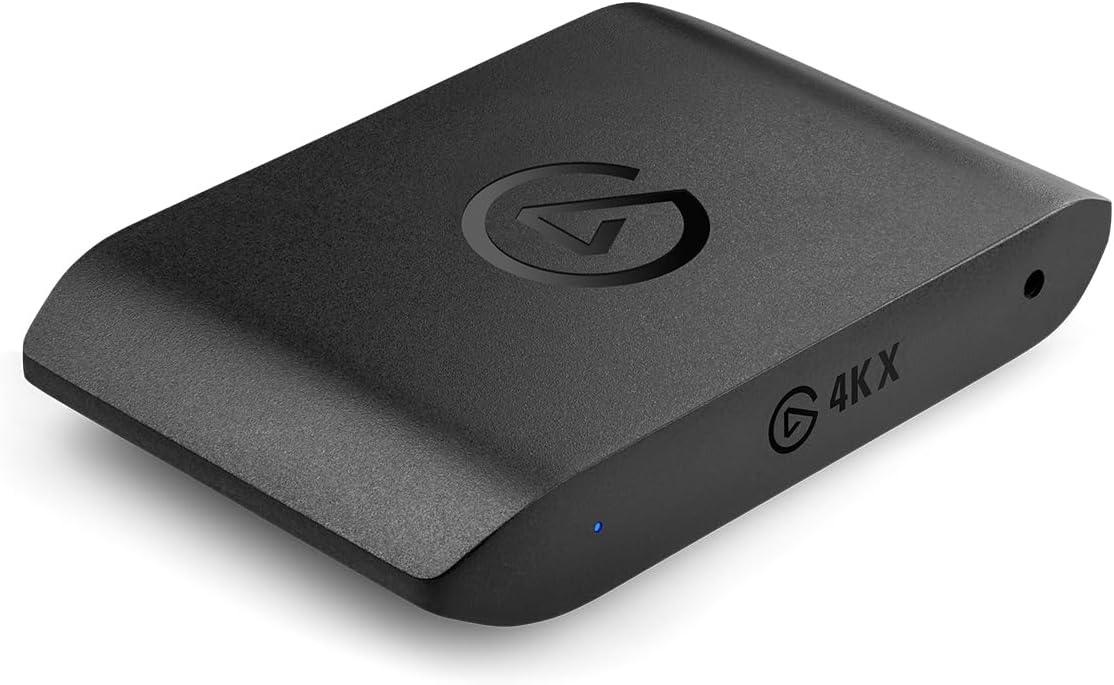
The Elgato 4K X stands out as a top-tier solution for serious streamers who demand the highest fidelity and frame rates available. It supports capturing content at 4K 144FPS, which is ideal for high refresh rate gaming setups and future-proofing your streaming gear. The ultra-low latency ensures that your broadcast stays perfectly synced with your gameplay, providing an immersive experience for viewers.
We may earn a commission when you buy through this link, at no additional cost to you.
Its HDMI 2.1 support is a critical feature for modern consoles like PS5 and Xbox Series X, enabling high bandwidth transfer for 4K and high frame rate content. The VRR passthrough eliminates screen tearing, ensuring smooth visuals even when frame rates fluctuate during intense gaming moments. Compatibility with apps like OBS, Twitch Studio, and Discord makes it versatile for various streaming workflows.
The primary trade-off is the cost, which is higher than entry-level options, and the need for a powerful PC to handle 4K processing. However, for professionals or dedicated enthusiasts, the performance gains justify the investment. The device delivers crystal-clear visuals and maintains synchronization between broadcast and gameplay effectively.
This card is best for streamers who want to maximize the potential of next-gen consoles and high refresh rate monitors. If you prioritize high fidelity and zero lag, this device offers unparalleled flexibility. It is a reliable choice for those aiming to build a professional-looking channel with top-quality visuals.
Capture 4K content at 144 frames per second to preserve the smoothness of high-end gaming setups for your audience.
Variable Refresh Rate passthrough ensures your gameplay remains free of screen tearing, maintaining a seamless visual experience.
We may earn a commission when you buy through this link, at no additional cost to you.
This capture card offers a compelling mix of features at an accessible price point, supporting up to 4K 60FPS capture and 1080P 120FPS recording. It is designed for flexibility, working with a wide range of operating systems including Windows, macOS, Linux, and Android. The inclusion of both audio in and mic out ports makes it easy to integrate external audio sources directly into your stream.
We may earn a commission when you buy through this link, at no additional cost to you.
The device supports various video formats like MJPEG, YUY2, and NV12, giving you control over how video is processed depending on your streaming needs. It connects via USB 3.0, ensuring stable data transfer for high-quality video without requiring extra drivers. Its compatibility with devices like PS5, Xbox, and Switch makes it a versatile tool for multi-platform streamers.
While it handles high frame rates well, users may find the build quality less robust than premium options. Software support is functional but not as advanced as dedicated streaming software. The lack of advanced features like VRR or HDR passthrough might limit advanced users, but it remains a solid choice for standard high FPS streaming.
This card suits creators who need broad compatibility and high frame rate support without spending a premium. If you often switch setups or need a device that works across different operating systems, this is a reliable option. It delivers consistent performance for streaming and recording with minimal setup hurdles.
Works seamlessly with Windows, macOS, Linux, and Android systems, ensuring flexibility for users with diverse computing environments.
3.5mm ports for audio in and mic out simplify the process of adding commentary or ambient sound to your broadcast.
We may earn a commission when you buy through this link, at no additional cost to you.
The acer USB 3.0 capture card emphasizes clarity and ease of use, offering 4K input support with a smooth 1080P 60Hz output. Its use of YUY2 technology delivers richer colors compared to standard MJPEG, enhancing the visual quality of live streams. This device is ideal for users who prioritize color accuracy and a straightforward setup process for streaming.
We may earn a commission when you buy through this link, at no additional cost to you.
It features a mic-in port that allows for direct headset connection, eliminating the need for extra adapters. This is convenient for real-time gaming commentary or vlog dubbing where synchronization matters. The card works with major streaming apps and devices, ensuring seamless integration into existing workflows without compatibility issues.
The main limitation is the output cap at 1080P 60Hz, which may not meet the needs of streamers seeking higher resolutions or frame rates. The hardware is small and lightweight, which aids portability but may feel less durable. However, it delivers high-quality video with minimal latency for its class.
This card is best for streamers who need a reliable tool for 1080P 60Hz streaming and value good color reproduction. If you are new to streaming or need a portable solution for travel, this device provides a hassle-free experience. It is a practical choice for everyday content creation tasks.
YUY2 technology ensures richer and more lifelike colors for live streaming and recording compared to standard compression methods.
The mic-in port allows for direct headset connection, simplifying audio setup for commentary and voice interactions.
We may earn a commission when you buy through this link, at no additional cost to you.
This capture card offers advanced features like HDR and VRR support, making it a strong choice for streamers seeking superior image quality and smooth gameplay. It captures 4K 60Hz content while allowing passthrough for high refresh rates up to 1080p 240Hz. The utility software provides control over video settings and firmware updates, enhancing the overall experience.
We may earn a commission when you buy through this link, at no additional cost to you.
The smart display and control switch offer an intuitive way to manage operation parameters and ring light settings. It works seamlessly with major systems without requiring additional drivers, ensuring easy integration into your streaming setup. The device handles high frame rates effectively, providing a responsive streaming experience for competitive gaming.
While it delivers high performance, the price point is higher than basic options, and full utilization requires downloading the utility software. This might add complexity for casual users. However, for those seeking granular control over their stream settings, this device provides a robust solution with flexible customization options.
This card is best for streamers who want advanced features like HDR and VRR to elevate their content quality. If you play competitive titles that benefit from high refresh rates and detailed image settings, this device offers the necessary flexibility. It is a strong choice for those who value customization.
Superior image quality with HDR and VRR ensures smoother gameplay and better dynamic range for immersive viewing.
Download the utility software to manage video settings and firmware for an optimized capture experience tailored to your needs.
We may earn a commission when you buy through this link, at no additional cost to you.
The ASUS TUF capture card is designed for durability and performance, featuring an alloy outer shell that protects against wear over time. It supports near-zero latency streaming and captures video up to Full HD 120 FPS, ensuring smooth motion for viewers. Certification for OBS Studio ensures optimal usage across a wide variety of streaming platforms.
We may earn a commission when you buy through this link, at no additional cost to you.
It supports controller and headset connections, allowing team comms audio to be shared directly with your audience. The USB 3.2 Type-C connection provides fast data transfer and plug-and-play ease without extra drivers. It is built to deliver reliable performance for recording and streaming with PC and console setups.
While capture is limited to 4K at 30Hz, which may restrict high frame rate 4K streaming, the 120 FPS Full HD capture is solid for most users. The durability of the alloy shell is a notable advantage for long-term use. It offers a balance of build quality and performance suitable for consistent streaming needs.
This card suits streamers who prioritize reliability and durability alongside good frame rate support. If you need a device that can withstand regular use and offers seamless OBS integration, this is a strong choice. It delivers near-zero latency and consistent performance for your broadcasting activities.
The alloy outer shell improves durability over time while maintaining a slim footprint for your streaming setup.
Controller and headset connections enable team comms to be shared with the audience for interactive streaming.
We may earn a commission when you buy through this link, at no additional cost to you.
This capture card stands out for its ability to capture at 4K 60Hz while supporting high refresh rates up to 1080P 240Hz for passthrough. It matches the refresh rates of modern consoles like PS5 and ultrawide monitors, ensuring your audience sees fluid motion. The flexible audio mixing capabilities give you professional-grade sound control directly from the device.
We may earn a commission when you buy through this link, at no additional cost to you.
It supports HDR, VRR, and ALLM for tear-free visuals and responsive performance, which is critical for high FPS gaming. The UVC/UAC plug-and-play design ensures automatic recognition by major systems without drivers. This makes it easy to start streaming on platforms like OBS or Twitch without complicated setup procedures.
While it delivers high-quality video and flexible audio control, the device is priced higher than basic options. You may need a USB-C setup to take full advantage of its features. However, the lossless passthrough ensures both you and your audience enjoy the same 4K60 picture quality without cropping.
This card is best for streamers who need high refresh rate support and professional audio mixing options. If you aim to capture ultra-fluid esports footage or high-resolution gaming, this device offers the necessary flexibility. It is a reliable choice for those prioritizing performance and control.
Captures original frame rates and screen ratios without cropping or compression, maintaining high-quality visuals for viewers.
Take complete control of your stream's audio with the dedicated 3.5mm audio port for line-in or headset audio.
We may earn a commission when you buy through this link, at no additional cost to you.
The AVerMedia GC575 is an internal PCIe capture card designed for high performance, supporting 4K 60 capture and ultra-low latency. It is optimized for consoles like PS5 and Xbox Series X, delivering professional-quality livestream visuals. Support for refresh rates up to 240Hz ensures that competitive gameplay remains fluid during recording.
We may earn a commission when you buy through this link, at no additional cost to you.
Its internal design reduces external clutter and provides stable performance without external power supplies. This makes it ideal for desktop setups where space and organization matter. The HDMI 2.1 connectivity ensures compatibility with next-gen consoles for high bandwidth transfer and high fidelity.
Installation requires a PCIe slot, which may limit its use to desktop PCs rather than laptops. However, for those with compatible systems, the performance benefits are significant. It delivers 4K capture with minimal latency, ensuring your broadcast and gameplay remain perfectly synchronized.
This card suits desktop users seeking professional-grade capture capabilities and high frame rate support. If you want to elevate your streaming quality with internal hardware that handles 4K and high refresh rates efficiently, this is a strong choice. It is ideal for serious content creators.
The internal design reduces external clutter and provides stable performance without needing external power supplies.
HDMI 2.1 connectivity ensures compatibility with next-gen consoles for high bandwidth transfer and high fidelity capture.
We may earn a commission when you buy through this link, at no additional cost to you.
The Elgato 4K Pro internal capture card offers unrivaled gaming and broadcasting capabilities with 8K 60 passthrough and 4K 60 capture. It harnesses HDMI 2.1 power to record high frame rates up to 240fps in 1080p resolution. The ultra-low latency ensures perfectly synced entertainment between your broadcast and gameplay.
We may earn a commission when you buy through this link, at no additional cost to you.
Its internal design provides seamless visual results without screen tearing thanks to VRR passthrough technology. This allows you to focus on your content without worrying about technical interruptions. It connects effortlessly to streaming apps like OBS and Twitch, providing unparalleled flexibility for reach.
The premium price reflects the advanced features and performance capabilities suitable for professional users. It requires an internal PCIe slot, limiting it to desktop setups. However, for those seeking the highest fidelity and synchronization, this device delivers flawless results and precise capture quality.
This card is best for professional streamers and content creators who need top-tier performance and features. If you aim to broadcast 4K60 video with zero lag and high fidelity, this internal solution is unmatched. It is the ideal choice for serious setups.
Immerse yourself in pure gameplay at 8K60 resolution while capturing in stunning 4K60 quality.
Connect effortlessly to streaming apps like OBS and Twitch to provide unparalleled flexibility and reach.
We may earn a commission when you buy through this link, at no additional cost to you.
Selecting the right capture card requires balancing resolution, frame rate support, and latency with your budget and technical setup. Here are key factors to consider before making your purchase.
Ensure the capture card supports the resolution and frame rate of your gaming setup. For high FPS gameplay, look for devices that handle 1080P 120Hz or higher to maintain motion clarity in your stream. 4K support is beneficial for next-gen consoles but may require more powerful PCs to process.
Prioritize models that capture at least 60FPS to keep your stream fluid. If you play competitive games, higher capture frame rates ensure your footage matches the gameplay you see on screen.
Latency is the delay between your gameplay and what your audience sees. Ultra-low latency models ensure real-time interaction and synchronized audio video. This is critical for live streams where timing matters.
Check for devices that advertise near-zero latency or high-speed USB connections. Latency issues can disrupt viewer engagement and make your stream feel disconnected from actual gameplay.
USB 3.0 or Type-C connections are standard for most capture cards, offering stable data transfer. Internal PCIe cards provide better performance but require a compatible PC slot. Consider whether you need portability or a fixed desktop setup.
Select connectivity that matches your PC and console. USB devices offer flexibility while internal cards provide more robust throughput for high-quality capture.
HDMI 2.1 supports higher bandwidth for 4K and high frame rate signals. This is essential for PS5 and Xbox Series X to transmit all data to your capture device. Older HDMI versions may limit resolution and frame rate output.
Verify your capture card supports HDMI 2.1 if you plan to stream from modern consoles. This ensures you can take full advantage of next-gen gaming features.
Your capture card must work seamlessly with streaming software like OBS, Streamlabs, or XSplit. Check for certification or compatibility notes to avoid driver issues. Plug-and-play devices reduce setup time and technical hurdles.
Choose devices that integrate well with your preferred platform. Compatibility ensures smooth streaming workflows without technical interruptions or crashes.
Audio integration is often overlooked but important for commentary and sound mixing. Capture cards with mic-in or audio-in ports simplify your setup. This avoids the need for extra audio interfaces.
Look for models with dedicated audio ports to control your stream sound directly. Good audio mixing ensures your commentary is clear and balanced with gameplay audio.
A sturdy build ensures the device lasts through frequent use and travel. Look for models with metal housings or reinforced ports. This protects against wear and tear from regular setup changes.
Choose devices that feel robust enough for your usage. Durability reduces the risk of hardware failures and ensures consistent performance over time.
Variable Refresh Rate (VRR) and HDR passthrough improve visual quality by reducing screen tearing and enhancing color. These features are valuable for high-fidelity streaming and immersive viewing. They help maintain smooth gameplay visuals during capture.
Consider these features if you want premium visual quality. They ensure your stream matches the quality of the source material for a better audience experience.
Connect your console to the capture card via HDMI and then plug the capture card into your PC using USB or PCIe. Ensure your monitor connects to the passthrough port for zero-lag gameplay. This setup lets you play while streaming without input delay.
Configure your streaming software to recognize the capture card as a video source. Adjust settings like resolution and frame rate to match your capture card's capabilities. This ensures your stream broadcasts at the optimal quality your hardware supports.
Keep the device and ports clean by avoiding dust and handling gently during connection. Update firmware regularly to maintain performance and compatibility. Proper care extends the lifespan of your capture card and ensures consistent streaming quality over time.
Many modern capture cards support 4K 60FPS capture especially those with HDMI 2.1. However, ensure your PC has the processing power to handle 4K video streams. Check specific model specs for 4K 60FPS compatibility.
Yes many capture cards are compatible with macOS via USB 3.0 connections. Verify driver support for macOS in the product description to avoid compatibility issues during setup and streaming.
External capture cards connect via USB for portability while internal ones connect via PCIe for better performance. Internal cards offer more stable throughput but require desktop PCs with available slots.
Most USB capture cards draw power directly from the port so no external supply is needed. Internal cards also do not need extra power beyond the system. Only specific devices might require separate power sources.
Many capture cards support these consoles especially those with HDMI 2.1. Look for models that advertise PS5 and Xbox Series X compatibility to ensure high frame rate and 4K support.
Use capture cards with ultra-low latency features and high-speed USB connections. Ensure your PC hardware is powerful enough to process video quickly. Adjust streaming software settings for optimal performance.
The ten capture cards reviewed here offer a range of options for high FPS gameplay streaming from budget-friendly devices to premium internal cards. Whether you need 1080P 120Hz support or 4K 60 capture there is a solution for every streamer.
Prioritize features that match your gaming setup like HDMI 2.1 support and low latency performance. Investing in the right capture card enhances your stream quality and ensures your audience enjoys smooth and detailed video.
Always verify current prices and compatibility before purchasing since hardware availability and costs may vary. Check the latest reviews and specifications to make the best choice for your streaming goals.